

2014-02-27 Farmer health checks – Border Chronicle
Farmer health checks (Source: Border Chronicle)
2014-03-14 Federal budget anxiety for Hamilton’s National Centre for Farmer Health
Federal budget anxiety for Hamilton’s National Centre for Farmer Health (Source: Warrnambool Standard)
2014-03-19 Hollow offer – Hamilton Spectator
Link no longer available.
South East Field Days in Lucindale
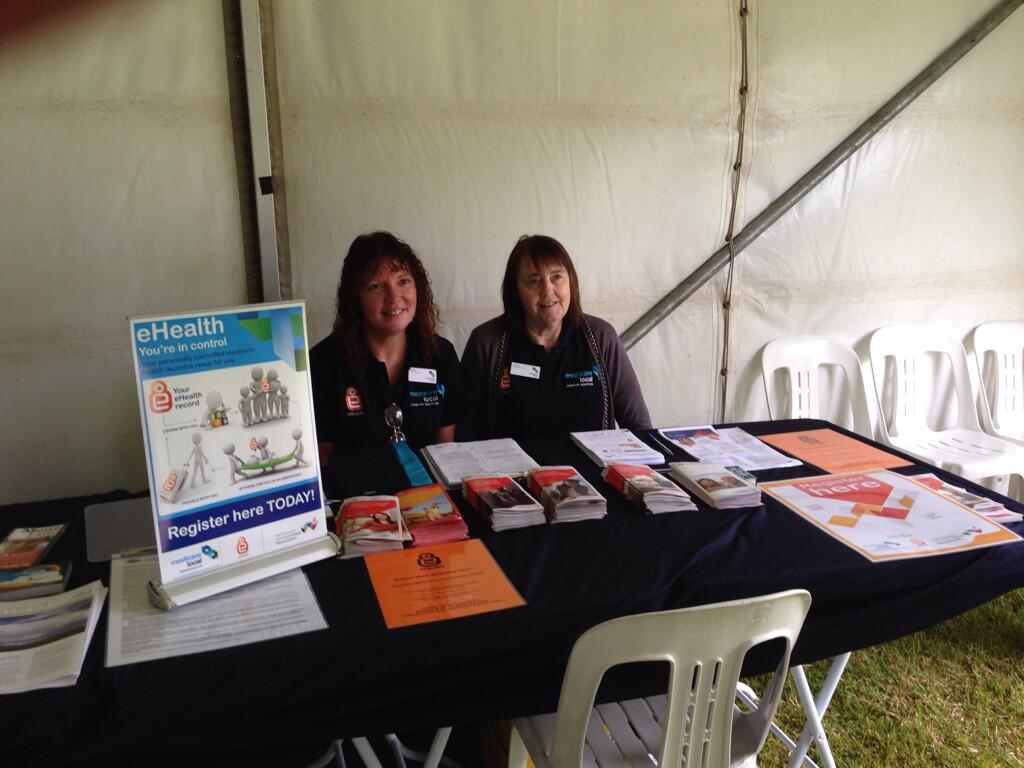
Great partnering with Country South SA Medicare Local at South East Field Days – Lucindale.
-
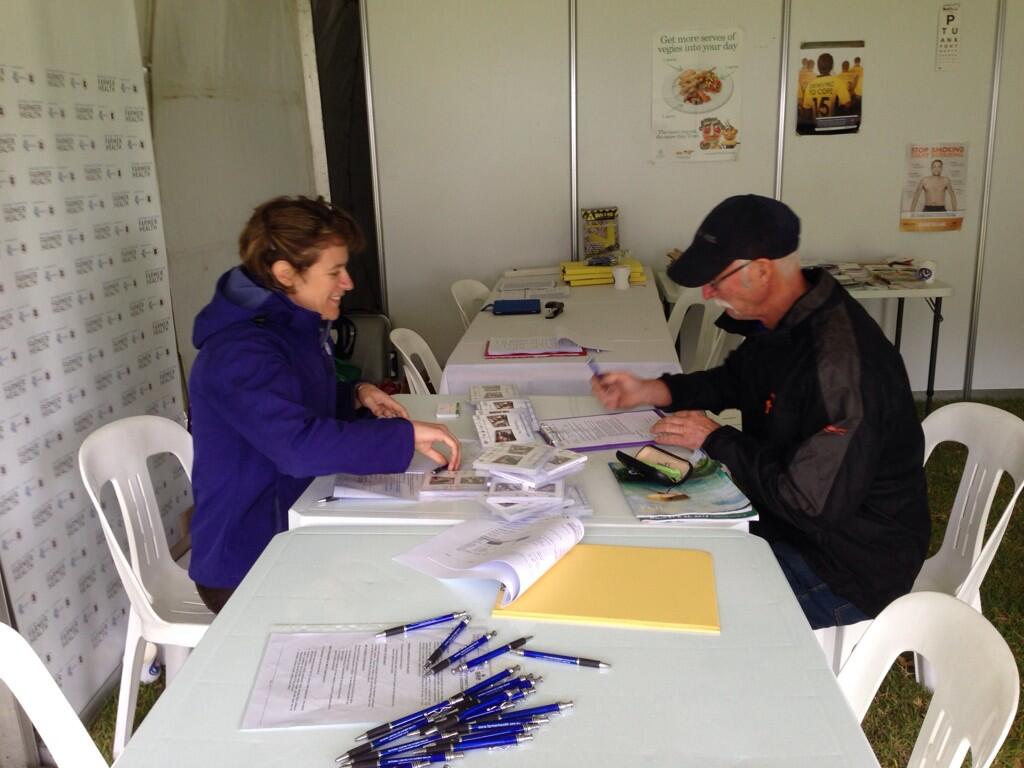
- Lucindale SE Field days in partnership with PPSA with lots of farmers getting health assessments
-
- Great partnering with Country South SA Medicare Local at #Lucindale #SEFieldDays
Falls prevention on farms
Falls are one of the most common causes of death and injury on farms, especially among older farmers. It is common for people to fall from horses, motorbikes, farm machinery, steps, haystacks, trucks, ladders, silos, windmills, fences, the back of utes and in livestock yards.
A bad fall can lead to long term injuries making it difficult for a person to continue farming. A permanent disability from a fall is a common reason for people being admitted to hospital and then residential care.
Farms have many potential hazards, such as ladders, silos, windmills, gates and ramps. Even from waist height, falls can cause serious injuries. There are lots of things you can do around the farm to help prevent falls:
- Attach extra grab rails on trucks, tractors, headers, ramps and steps.
- Use non slip tape on ladders, and non-slip matting in the workshop; replace old steps with non-slip metal mesh and a rail.
- Avoid heights where possible, but if you have to work at height, wear a safety harness.
- Install good lighting, especially around sheds.
- Wear well fitted boots with non-slip soles.
- Tidy up workshops, don’t leave clutter around.
- Keep paths and walkways clear.
- Keep as fit as possible as you may be less likely to fall if in good physical shape.
- Write a checklist of potential falling hazards at your farm.
Remember, it’s much easier to prevent a fall than to recover from one.
Farm safety – falls
Falls are a leading cause of injury and death for farm workers. Common hazards include animals, motorbikes and all-terrain vehicles (ATVs, or quad bikes), working at heights in silos or on tractors, harvesters, cherry pickers or windmills, uneven surfaces and uncovered wells. Older farmers are most at risk. Simple safety measures can reduce the danger.
Find out more about this topic on Better Health Channel
Fast facts:
- Falls are a major cause of injury on farms, especially for older farmers.
- Avoid working at heights or wear an appropriate safety harness.
- Stay physically active and maintain your muscle strength with regular exercise.
- Install safety features like grab rails and non-slip flooring.
- Stay on your feet and stay on your farm.
References used for this topic
More information:
Australian Centre for Agricultural Health and Safety
Falls Injury Prevention
Queensland Government
Slips, trips and falls prevention
Government of Western Australia
Guidance note: Falls prevention in the agricultural sector
Research & reviews:
AgriFutures Australia/Australian Centre for Agricultural Health and Safety
Health and safety in older farmers in Australia: the facts – 2007
Australian Institute of Health and Welfare
Trends in injury deaths, Australia: 1999–00 to 2014–15
Monash University Accident Research Centre
Preventing farm injuries [PDF]
Safework Australia
Work-related injuries and fatalities involving falls from a height in Australia 2013
Child safety on farms
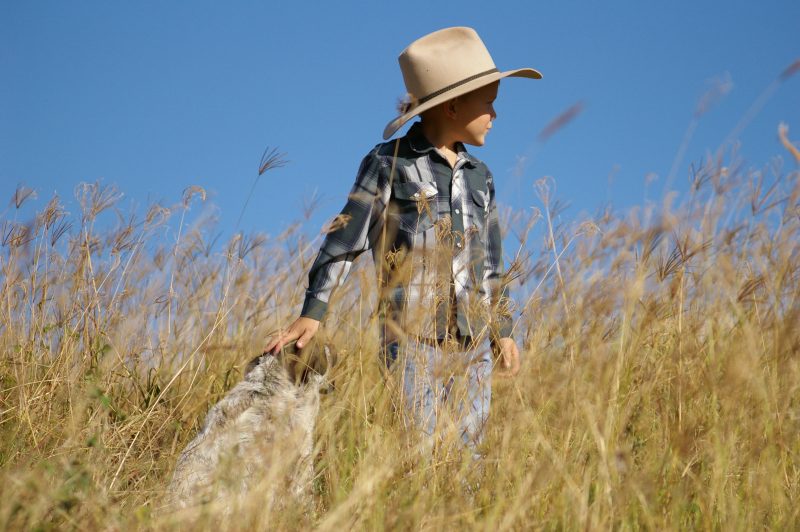
Children who live on farms are more likely to be injured or killed on the farm than their parents or other farm workers. Since 2001, children under 15 years have accounted for approximately 15% of all farm-related deaths on Australian farms (235 deaths). Injuries can also have long-term physical, psychological and financial impacts on children and their families.
The main hazards responsible for these deaths include dams and water bodies (especially for children under five), quad bikes, side-by-sides, tractors, farm utes, motorbikes and horses.
How to keep children safe on farms
- Safe play area: A fenced area close to the house helps keep young children away from farm dangers.
- Always supervise children: Active supervision is key – this means staying close, watching and engaging with children at all times to ensure their safety.
- Match tasks to a child’s age and ability: Older children can be taught about farm safety but should only do age-appropriate (physically and mentally developmentally appropriate) tasks, be supervised at all times and ensure appropriate rules and protective equipment is worn.
- Lead by example: Children learn by watching adults. If you practice and value farm safety, so will your child.
- Talk about farm safety as a family: Regular conversations about safety rules and risks help children develop lifelong safe behaviours.
Fast facts:
- Children who live on farms have a higher risk of injury or death than other children.
- Teach your children about safety from a young age.
- Talk to your child frequently about the safety rules of the farm.
- Provide fenced play areas for young children.
- Supervise older children when they work on the farm.
References used for this topic
AgHealth Australia
National Farm Injury Data Collection and Surveillance reports
Populations at risk – Safe Play Areas on Farm
More information:
FarmSafe Australia
Child Safety on Farms
Victorian Farmers Federation
Child Safety on Farms: A practical guide for farming parents [PDF]
Worksafe Victoria
Children on farms
KidSafe
Farm Safety Checklist [PDF]
SafeWork
Child safety on farms: fact sheet
Research & reviews:
Australian Journal of Rural Health
Protecting the future: Fatal incidents on Australian farms involving children (2001-2019)
International Journal of Environmental Research and Public Health
Child Farm-Related Injury in Australia: A Review of the Literature
Water – make it safe to drink
Drinking water from rain tanks, bores and even dams is great when you know the water is safe. However, sometimes prolonged dry periods, contamination from dust, livestock, birds, algae and even insect plagues can affect the quality of your drinking water.
Parasites can be ingested from drinking rainwater, particularly after periods of heavy rain or when the tank water is low. Dirt from the roof, including animal faeces and germs, carried in the wind can blow onto the roof and flow into the tank. This can lead to diseases, such as Blastocystis. Seepage from septic tanks, intensive farming operations or pesticide drift can also contaminate your drinking water supply. More recently climate variability has increased the number of algal blooms which can also be toxic.
If you suspect water may be contaminated, boil or filter your drinking water. You may need to consider treating it with a disinfectant – for more information on how you can treat water at your home visit the “Guide to Drinking Water Treatment Technologies for Household Use”.
Drinking untreated water such as creek water, bore water or sometimes even rainwater can lead to illnesses including gastroenteritis. Natural water sources should be used with caution and water treatment methods can be used to ensure your water is safe to drink.
Remember, think before you drink and treat the water if you are unsure. It is a good idea to take a bottle of clean drinking water with you if you are out on the farm.
Find out more about this topic on Better Health Channel
Fast facts:
- Tanks, creeks, bore water and dams can be infected with waterborne diseases, especially after storms or floods.
- Contaminated water can cause sicknesses such as gastroenteritis and diarrhoea.
- The best way to kill waterborne bacteria is to boil the water before drinking. Filtration works very effectively too.
References used for this topic page
More information:
Department of Health
Your Private Drinking Water Supply
Centers for Disease Control (US)
Global Water, Sanitation, and Hygiene (WASH)
Centres for Disease Control (US)
A Guide to Drinking Water Treatment Technologies for Household Use
Department of Water, Government of Western Australia
Safe use of bore water in rural areas
Environmental Protection Agency (US)
Private Drinking Water Wells
Centers for Disease Control and Prevention
Making water safe
Research & reviews:
Centers for Disease Control (US)
Surveillance for waterborne disease and outbreaks associated with drinking water and water not intended for drinking – United States, 2005-2006
Water tanks and dams – safety tips
Water tanks, dams and channels on farms are an essential source of water for human and livestock drinking and irrigation needs. However they can pose serious risks. Children can drown in tanks and dams, water can be contaminated and accidents can happen when tanks are being cleaned.
Tanks can also become breeding areas for mosquitoes which is a particular concern in areas where mosquito borne diseases like Murray Valley encephalitis virus, Ross River virus, Barmah Forest virus and Dengue fever are a risk.
Protect yourself and others:
Seal water tanks so children, animals, birds and insects can’t get in.
Monitor and clean water tanks regularly. Ensure you use appropriate safety precautions; ie make sure someone knows you are in there and be careful using motorised pumps in confined spaces such as tanks — people have become asphyxiated.
Ensure there is a safe and fenced off play area for children and always keep an eye on children near dams, troughs swimming pools, creeks and tanks.
If you obtain your drinking water from bores, rivers, dams or rainwater tanks, you should take special care to make sure that this water is safe to drink. Contaminated water can cause serious illness, from nutrient build up, bacteria, agrichemicals, bushfire ash and algal blooms such as blue green algae. Water from hoses can also be dangerous particularly if it has been sitting in the hose and becomes warm thus enabling bacteria build up.
Fast Facts – Water tanks and dams – safety tips
- Seal drinking water tanks
- Clean out tanks regularly
- Do not drink from your water if you think it is contaminated
- If treating water ensure you follow the directions
References used for this topic
More information:
Better Health Channel
Water quality in tanks, bores and dams
ABC News
Carbon monoxide poisoning suspected in deaths of three people in Gunning water tank
Department of Health (Australia)
Emergency chlorination of farm water Last updated: January 2020
Queensland Health
Safe water on rural properties
Research & reviews:
NHMRC
Australian Drinking Water Guidelines 6 2011 Version 3.5 Updated May 2019
Greywater recycling
On farms, greywater – which is household wastewater (excluding toilet water) – can be used to supplement water supplies for irrigation, particularly for non-edible plants and landscape watering. This promotes water conservation and reducing reliance on freshwater sources.
In the home, greywater can be used for laundry and toilet flushing. Outside of the home, greywater can be used to water lawns and garden plants (but not vegetables), and keep dust down around the house, sheds and yards.
Things to consider
Unless you have a proper treatment facility you should not store greywater (over 24 hours).
You can use greywater in three ways:
- Manual bucketing – collecting water in a bucket (e.g. from the washing machine or shower and watering the garden). This is the cheapest option.
- Greywater diversion – these systems divert greywater to a small holding tank and then to an irrigation system below the soil surface.
- Greywater treatment – these systems clean greywater enough to be stored and can be used in any weather. It is not clean enough to drink but can be used to flush toilets, wash clothes and water the garden.
Two key benefits of using greywater include the reduced need for freshwater and the reduction in the amount of wastewater entering septic systems and sewers.
Take care when using greywater. It has the potential to make people in your household unwell and kill plants. Make sure your pets and livestock don’t drink greywater and that it doesn’t run into creeks or other waterways. There are also biodegradable washing products that make your greywater safer to use.
Find out more about this topic on Better Health Channel.
Fast facts:
- Greywater from basins, washing machines, showers and baths can be used. Do not use water from toilet systems.
- Use greywater with care. Don’t store greywater; use it within 24 hours on your garden or for keeping dust down around buildings and in dry areas.
- Make sure greywater does not run or leach into creeks, dams or other waterways and do not use it for livestock or other animals.
- Check your local greywater regulations as they differ around Australia.
References used for this topic
More information:
Australian Department of Sustainability, Environment, Water, Population & Communities
Guidelines for developing recycled water schemes in horticulture
Sustainable Earth Technologies
Greywater treatment
Better Health Channel
Greywater – recycling water at home
Workshop safety
Workshops are essential on a farm but they need to be safe places to work. Around 15.1% of agricultural fatalities involved powered tools, equipment and appliances in 2010 to 2014 combined. Between 2015–2019 (Australia-wide), 3% of workplace fatalities occurred due to contact with electricity. This is six deaths (on average) each year. It is essential to identify any potential hazards and remove the risk. Making the workshop and job as safe as possible can minimise or eliminate the potential for injury or fatality and be aware of which equipment involves greater risk than others. For example portable equipment is particularly vulnerable due to fraying leads and extension cords. Consider non slip flooring to prevent slips.
Having personal protective equipment (PPE) available to wear is best practice.
There are many potential hazards in a workshop:
- Poor workshop layout and design
- Cluttered walkways leading to slips, trips and falls.
- Electrical power leads
- Welding and grinding equipment
- Power tools – checking guards and cords
- Hoists used to work on farm vehicles
- Poor lighting – leading to accidents
- Battery charging
- Tyre changing
Workshops should be kept tidy and clean to prevent slips, trips, falls and other accidents. Regular inspecting and testing of equipment should be done. For more information on farm workshop safety visit Farm Safe Australia.
Fast facts:
- Farm workshops need to be safe work areas.
- Use personal protective equipment including hearing and respiratory protection
- Look at the overall layout of the workshop and see if you can make it safer.
- Look for potential hazards and use and put strategies in place to minimise or eliminate risk of injury or fatality.
- Give safety induction and training to workers and supervise unskilled workers.
- Keep children and visitors out of the workshop at all times.
References used for this topic
More information:
Safework Australia
Work related injuries and fatalities on Australian Farms
Farmsafe Australia
Farm workshop safety guide
National Ag Safety Database (US)
Workshop safety
Department of Commerce (WA)
Agricultural safety and health checklist
Research & reviews:
Head and Face Medicine
Penetrating facial injury from angle grinder use: management and prevention [PDF 1.4mb]
Tractor safety
Tractors are a useful and often essential piece of farm machinery on Australian farms. Modern tractors have been designed and built with your safety in mind – and its safe operation is entirely in the hands of the operator.
However, tractors remain the most common cause of death and serious injury on farms. From 2003-23, 362 fatalities occurred in the agriculture industry that involved a vehicle. The most common vehicles involved were tractors and other mobile plant (63 per cent, 4231 fatalities)1.
Always follow the safety instructions for your tractor, particularly when you stop or start the tractor. Every model of tractor is different and will have slightly different safety requirements. Read and follow the instructions in the operator’s manual to ensure you are operating your tractor safely.
Passengers riding on tractors, tractor implements or trailers are at a high risk of injury. They were neither built nor intended for joy riding. When tractors travel over uneven ground, passengers can easily be jolted, lose their grip and fall. Do not carry passengers on tractors without instructor seats, roll-over protective structures (ROPS) and safety belts.
Hazards and risks associated when operating and working with tractors
- Runovers and rollovers.
- Machinery power take offs (PTOs) unguarded.
- Hydraulics causing crush injuries.
- Poor ergonomics causing back strain.
- Noise induced hearing loss.
- Working at heights and stairs causing falls.
- Poor operator skills.
Recommendations when operating and working with tractors
- Maintain your tractors, and related implements and attachments in line with industry standards and manufacturers’ requirements.
- Conduct pre-operational checks in line with the manufacturers’ instructions on all machinery.
- Fit your tractors with approved ROPS.
- Ensure all guards are in place, especially PTO guards, and check them regularly for signs of wear and tear.
- Ensure tractors are fitted with non-slip, side-access steps that are in good condition.
- Do not allow anyone to ride on the steps, or on implements attached to the tractor, while the tractor is moving.
- Do not attempt to board or disembark a moving tractor.
- Ensure workers are properly inducted, trained and supervised, especially inexperienced and young operators.
- Have a tractor with a cabin if possible, for protection from sun, dust and other elements.
- Ensure adequate ventilation and filters and fitted to tractor cabins.
Find out more about this topic on Better Health Channel.
Fast facts:
- If you buy a tractor make sure it is fitted with ROPS. If you have a tractor without ROPS, have one fitted – it could save your life.
- Make sure everyone who uses the tractor is trained in safe operating procedures.
- Do not operate your tractor close to dams, pipes, drains or power lines, on steep slopes or near other potential hazards.
- Drive at a speed where you can stay in control if the conditions change unexpectedly.
- Keep children away from tractors at all times.
- Never carry passengers on a tractor without an instructor seat, ROPS and seatbelts.
References used for tractor safety topic page
More information:
Australian Centre for Agricultural Health and Safety
Tractor and machinery
NT WorkSafe
Tractor and rural machinery safety
WorkSafe Queensland
Tractors
Safework Australia
Plant (such as tractors)
WorkSafe Victoria
Tractor roll-over protection requirements
Australia Wide First Aid
Farm Vehicles and Machinery – Injuries and Safety
Research & reviews:
Safework Australia
Work-related traumatic injury fatalities Australia (2021)
American Journal of Preventive Medicine
Effectiveness of roll-over protective structures in reducing farm tractor fatalities (2000)
Safework Australia
1 Work-related fatalities
Quad bikes
While useful, quad bikes – sometimes called four-wheeler bikes – are not safe for use on all terrains. These vehicles can be unstable and have been involved in a number of farm injuries and deaths, largely as a result of roll-over situations.
Always follow manufacturer’s instructions for vehicle use, wear a helmet and protective clothing when riding and ride in a responsible manner. Never allow children to play on or ride quad bikes. It is recommended that all quad bikes have an operator protective device (OPD) fitted.
Find out more about this topic on Better Health Channel.
View more Worksafe Quad Bike videos.
Fast facts:
- Quad bikes or all terrain vehicles (ATVs) are one of the most common causes of death on Australia farms.
- Prevent accidents by ensuring all riders are trained and follow safety precautions.
- Follow manufacturer’s guidelines if you carry extra loads like sprays, as they can affect the balance and stability on your bike.
- Consider a properly fitted roll over protection structure.
- Wear personal protective equipment (PPE) at all times when riding a quad bike.
References used for this topic
More information:
Farmsafe Australia
Safe use of Quads and Side by Side Vehicles on Australian Farms (2019)
WorkSafe Victoria
Quad bikes – a handbook for workplaces (2018) [PDF]
Quad bike safety app
Quad bikes risk assessment
Quad bikes – Reducing the risks
National Farmers Federation
Mythbuster: Crush Protection Devices [PDF]
ACCC Product Safety
Quad bikes guide
Research & reviews:
Journal of Agromedicine
A Qualitative Enquiry of On-Farm Rules About Quad Bikes (ATVs): How Rules Are Determined and Implemented at a Farm Level in Rural Australia (2024)
Australian and New Zealand Journal of Public Health
A descriptive review of quad‐related deaths in Australia (2011–20) (2022)
Traffic Injury Prevention
Injury mechanisms in fatal Australian quad bike incidents (2016)