

Empowering farmers to take health into their own hands
Originally published in Partyline, Issue 77.
The increase in digital literacy, coupled with the healthcare industry’s innovation in creating user-friendly, useful health and wellbeing digital platforms, has opened doors for our rural and remote communities to access new healthcare resources across Australia.
Fast to adapt to this changing space is the National Centre for Farmer Health (NCFH). Based in Hamilton in the Western District of Victoria, the NCFH opened their doors in 2008. Over the past 13 years the NCFH has conducted numerous research, education and service delivery initiatives, seeking to improve the health, wellbeing and safety of farmers, agricultural workers, farming families and rural communities. In translating these findings into online resources, the NCFH helps address the health inequality traditionally experienced by rural and remote Australians.
Farmer HAT
To empower farmers and increase personal awareness of health, wellbeing and safety, the NCFH created the free online platform Farmer Health Assessment Tool. Farmer HAT, as it is affectionately known, is a simple online form that can be used by individuals or farming groups. Questions relate to health, wellbeing, lifestyle behaviours and farm safety practices. Instant results are generated using a traffic light system. Farmer HAT is easy to use, gives practical tips for improving the personal health, wellbeing and safety of the user and can be completed from the comfort of their own home.
Campfire
Farming and agricultural work can be isolating, with large amounts of time spent working solo and a range of factors presenting risks to mental health. To help improve the mental health, safety and wellbeing of farmers in their workplace, the NCFH have co-designed (with farmers and industry) an online interactive platform called Campfire. Campfire is a text-based platform that invites anyone in the agricultural industry to join the conversation every Wednesday night, where topic experts and farmers share practical knowledge, resources and experience. It is a place to connect, learn and develop an understanding of various topics relating to life on the farm. The format offers attendees the anonymity to ask questions and discuss topics they may not feel confident discussing otherwise. Topics covered range from preparing for the fire season, succession planning, working effectively in a family business and child safety on the farm. Campfire topics are also covered by a growing number of podcasts, blogs and hard copy resources available on the landing page.
Steering Straight: My plan to stay on track
Farmers often get bogged down in the endless cycle of farming tasks, rarely taking time to turn their focus from the wellbeing of the farm business to what supports their own wellbeing.
Steering Straight is a resource that has been developed in collaboration with members of the farming community. It aims to help farmers look beyond the endless cycle of tasks and help with reflection, planning for the challenges ahead and preparing for action, with a focus on wellbeing. Available in a digital form or as part of the Managing Stress on the Farm booklet, Steering Straight offers individuals a guided assessment and action plan that they can complete, keep as a handy reference and update as required.
For more information about the National Centre for Farmer Health and the work they do, you can check out their website www.farmerhealth.org.au.
Originally published in Partyline, Issue 77.
Farmer Health eNews December 2021
Find out the latest from the National Centre for Farmer Health
- Managing stress in the most stressful time of year
- ‘How to be a leader: no matter what your role is’
- The Safety Shop is back just in time for Christmas!
- Wellness Wednesday
Do you want to receive our eNews?
Mental health at the COVID-19 frontline: An assessment of distress, fear, and coping among staff and attendees at screening clinics of rural/regional settings of Victoria, Australia
Abstract
Purpose
Research examining psychological well-being associated with COVID-19 in rural/regional Australia is limited. This study aimed to assess the extent of psychological distress, fear of COVID-19, and coping strategies among the attendees in COVID-19 screening clinics at 2 rural Victorian settings.
Methods
RA cross-sectional study was conducted during July 2020 to February 2021 inclusive. Participants were invited to fill in an online questionnaire. Kessler Psychological Distress Scale (K-10), Fear of COVID-19 Scale, and Brief Resilient Coping Scale were used to assess psychological distress, fear of COVID-19, and coping, respectively.
Findings
Among 702 total participants, 69% were females and mean age (±SD) was 49 (±15.8) years. One in 5 participants (156, 22%) experienced high to very high psychological distress, 1 in 10 (72, 10%) experienced high fear, and more than half (397, 57%) had medium to high resilient coping. Participants with mental health issues had higher distress (AOR 10.4, 95% CI: 6.25-17.2) and fear (2.56, 1.41-4.66). Higher distress was also associated with having comorbidities, increased smoking (5.71, 1.04-31.4), and alcohol drinking (2.03, 1.21-3.40). Higher fear was associated with negative financial impact, drinking alcohol (2.15, 1.06-4.37), and increased alcohol drinking. Medium to high resilient coping was associated with being ≥60 years old (1.84, 1.04-3.24) and completing Bachelor and above levels of education.
Conclusion
People who had pre-existing mental health issues, comorbidities, smoked, and consumed alcohol were identified as high-risk groups for poorer psychological well-being in rural/regional Victoria. Specific interventions to support the mental well-being of these vulnerable populations, along with engaging health care providers, should be considered.
Reflecting on two years of work at the National Centre for Farmer Health
As we gather momentum in the run to the end of what’s been a challenging couple of years, there’s value in taking time to breathe and reflect on what we have been able to achieve (rather than what’s been lost, disrupted or possibly changed forever). We’ve recently taken time to do this with our NCFH team and it has been a gratifying experience in acknowledging the adaptability, innovation, and “can do” attitude that makes our small team tick. We’d like to share with you some highlights of what we’ve achieved in our continuing efforts to make a difference to farmers’ lives.
Dr Alison Kennedy, Acting Director of National Centre for Farmer Health.
We encourage you all to reflect and take stock of what you’ve achieved during the year and make time to celebrate even the small wins with your family, friends, and colleagues.
The NCFH team would like to wish everyone a safe and happy Christmas and New Year.
Best wishes,
Thanks to our incredible team, partners, supporters and – most importantly – the agricultural community, we have seen a period of growth and development over the past few years. The infographic below is a reflection of the work we have done with our stakeholders between 1 July 2019 and 30 June 2021.
If you are interested in finding out more about any of our programs, initiatives or research, we would love to hear from you. Send a message to ncfh@wdhs.net or submit an enquiry online and a member of our team will get back to you asap.
Let’s stay socially connected this holiday and harvest season – for our mental health
This topic will be discussed as part of our online Bonfire Q&A on December 15 at 7:30pm, “Managing Fatigue and Staying Socially Connected”.
For the past two years, Simon’s Christmas dinner has been cheese sandwiches and cold chicken in the harvester’s cabin (truth be told, that’s where he had spent more Christmas days than he cared to remember).
Last year that’s where he celebrated New Year’s Eve as well – the season had been spectacular; the crops were better than he could ever remember.
And nothing was standing between him and getting every single grain of it in the bin and off to the silo.
Over the years Simon had ended up with odd harvesting setback; including the header all but wrapped around that one tree in the middle of the paddock.
But in 2020 it took family to set him right back on his heels and make him realising by not missing a single grain he was missing too much.
“I’d actually stopped to check something in the paddock when my wife and two of the grandkids came out in the 4WD to bring me a present still unwrapped,” Simon recalled.
“It was from them and the little devils had written on the card ‘we hope you can stay for lunch this year or how will Santa find you’.
“When I looked up, my wife was wiping away a tear, the two kids were basically staring up at me and I suddenly realised she wasn’t going all mushy over them, she was actually upset – and stressed.”
Simon was 68 and it had taken an eight-year-old and his 10-year-old sister to deliver the message he had been ignoring from his wife for years – they were a family first, and farmers second.
“It was a fair dinkum wake up call,” Simon later admitted. “I remember her being upset a couple of years back when a neighbour a few farms down was almost killed in a machinery accident because he had been going so hard during harvest he was simply knackered beyond belief.
“But I never thought that could happen to me.”
How many times have you said that to yourself; or dismissed news of it happening to someone else because you knew you wouldn’t make those mistakes?
Yes, you were yawning a lot; yes, you were getting grumpy and when you had come in for a late breakfast your wife had to prod you awake to say it was on the table in front of you.
Safe Ag Systems says fatigue is one of the most common hazards on the farm, and at the same time the most underrated risk for everyone.
No farmer worth his or her salt thinks they are ever going to be the one caught out just because they are a little bit tired.
But fatigue is more than that. You may not realise it, but fatigue interferes with normal daily activities and functioning, impacts on alertness and slows reaction times. Your ability to communicate can be affected, as well as mood.
You might set out to set a harvest record; but once you are badly fatigued you are actually reducing productivity; taking longer to get things done – and risking micro-sleeps as you move machinery from paddock to paddock and up and down public roads.
And micro-sleeps can be fatal when you are at the wheel; risking not just your life but also the life of an innocent motorist unaware of who they are sharing the road with.
It would be hard to find a cropper who could cross their heart and say they had never dozed off or zoned out while working or operating equipment (aka a near-miss).
Do you remember what you did? Did you think ‘phew, that was lucky!’ and keep going anyway? Congratulations, you were lucky enough to survive a fatigue related incident. Not everyone is so fortunate.
Being awake for 17 hours is the same as having a 0.05 per cent blood alcohol content. Push that three hours longer and your BAC doubles to 0.10 per cent.
You wouldn’t hand that person a set of car keys if you were at the pub; why would you put them in charge of a huge piece of machinery, in a paddock, in the middle of the night, on their own?
Safe Ag says even though we know the logic, we still don’t seriously treat fatigue as the risk it is; and therefore we don’t talk about it in any real sense.
World expert on sleep and fatigue management, Central Queensland University’s Professor Drew Dawson, “we need to change the narrative around fatigue”.
He said it needs to be OK; and people encouraged to speak up about being tired without fear of retribution or derision from others.
Check out this fatigue self-assessment checklist and share it with your staff: Fatigue Self-Assessment Checklist template
But it was Simon’s wife Jean who had the last word: “Farming is already a very lonely industry; but not just for those out working in the paddocks all hours of the day and night. While they’re gone those of us at home are just as lonely”.
“But worse than that, when you know how worn down they are; you start to stress on their behalf. Things had got to the point I actually hated thinking about Christmas,” she added.
When it reaches that point – and you’re still missing the point – not only are you at physical risk; you are also gambling on your social and emotional wellbeing.
“And no chaser bin full of grain is worth anywhere near that,” Jean said.
Resources:
“if you think safety is expensive, try having an accident!”
Asleep at the wheel – a look at managing fatigue in agriculture [+ Free Checklist] (safeagsystems.com)
Regulators issue safety warning about farmer fatigue | Australian Institute of Health & Safety (aihs.org.au)
Fatigue on the farm
Injuries on the farm can lead to stress, long-term health concerns and loss of income or even fatalities, so preventing them from happening is the best way of protecting your mental health. When it comes to running the family farm, investing in mental health initiatives is not only good for your family and workers, but it’s good for business too. The NCFH is supporting farmers just like you to manage and respond to work-related risks that impact on workplace mental health – these are factors in your work that can affect an employee’s mental health and include high job demands, low job control, low role clarity and more. Managing these factors, means decreasing the risk of work-related stress, which can prevent physical injury, mental injury or even both at the same time.
Find out more about being mentally safe on farm at www.farmerhealth.org.au/campfire.
This blog is part of the Primary Producer Knowledge Network led by the National Centre for Farmer Health to promote mentally healthy workplaces. Campfire, part of The Primary Producer Knowledge Network, is funded by the Victorian State Governments WorkSafe WorkWell Mental Health Improvement Fund.
You can join the online bonfire session, “Managing Fatigue and Staying Socially Connected” on December 15 at 7:30pm.
*Primary producers featuring in this blog are fictional, but based on research interviews with farmers, and developed with the assistance of the National Centre for Farmer Health
Improving Digital Customer Experience For Farmers Through Design
Exco Partners has been recognised as an ABA100® Winner for Digital CX Management in The Australian Business Awards 2021. The Australian Business Award for Digital CX Management [DCX] recognises organisations that have successfully implemented initiatives that demonstrate excellence in digital customer experience management.
“We are just thrilled to be recognised for our work with the National Centre for Farmer Health. The NCFH has made an enormous contribution to support the health, well-being, and safety of farming and regional communities throughout Australia. We were privileged to have had the opportunity to work with the NCFH to expand their reach through the digital experiences we have created. The Exco Partners Experience + Design team live for creating great digital experiences, and we are very proud to be recognised for our work on such an important initiative.”
Ben Laughlin, Exco Partners.
Exco Partners is an Australian Management Consulting firm expert in delivering transformative change solutions and providing advisory services to enterprise businesses. Exco Partners brings together a powerful mix of experience, creativity, and engineering, with a purpose to assist customers with smart, effective execution of digital and transformative change.
The National Centre for Farmer Health (NCFH) is an organisation focused on the education, research and innovation into health, wellbeing and safety of farmers and rural communities.
Based in regional Victoria, the NCFH is unique in delivering specialised multidisciplinary, integrated agricultural health services, research, training and education direct to farmers and rural (health, agriculture, policy) professionals. With farms accounting for 23% of worker fatalities in Australia, the NCFH provides an important role for regional communities.
The NCFH engaged Exco Partners to find better ways to engage with “hard to reach” regional community groups, build awareness of farming hazards, and create a sustained and long-term and positive impact on regional communities.
“Communicating with our community of farmers, researchers, and service providers is a key plank of our work in ’making a difference to farmer lives’. Our increased reach across Victoria, Australia and internationally has seen our community grow. At the NCFH we want to be able to communicate wherever the farmers, their families, workers and community may be. The need for better platforms to enhance our user experience was required to improve our farmer health communication. Working with Exco Partners was such a positive and fun experience. We are really thrilled to have worked with Exco Partners and be recognised by the ABA with this prestigious Community award.”
Susan Brumby, Founding Director, NCFH
The NCFH has built an incredible asset of information, research, and data on farming health during its journey. This asset has created an amazing opportunity to make a positive difference to the health, wellbeing, and safety of farming and regional communities, yet a challenge remained:
• How can these community groups be better engaged to build awareness of farming hazards and create a sustained, long-term, and positive impact?
• How can the information, research and data be best presented in a way the is consumable, discoverable and in a medium that is useful to the community to utilise?
Exco Partners, in collaboration with NCFH established a project with the following objectives:
• Enable further reach and engagement with the clinical, educational, research and farming communities
• Develop new ways to create a long-term connection with the above user groups
• Increase the awareness of the NCFH and the hazards present in farming
• Increase the NCFH ability to contribute to the positive health, wellbeing and safety, of farming and regional communities across Australia and internationally.
Exco Partners initiated the project focusing on customer research, stakeholder engagement, visual design, and planning. Exco Partner used a “Human-Centred Design” approach as the centrepiece of initial discovery activities, focusing initially on a heuristic review of existing data and user research.
Through the insight gained from the research, two distinct streams of work emerged, which were successfully delivered by Exco Partners:
1. A Farmer Health Website, focusing on the awareness, engagement, discoverability and accessibility of health, wellbeing and safety information, and research to better represent the NCFH’s value and contribution to the community,
2. The development of an innovative health and wellbeing self-assessment App as a way to create a longer, more sustained method of engagement with farming and regional communities.
Originally published at Exco Partners – Australian CX Awards (customerexperienceawards.com.au).
How to be a leader: no matter what your role is
By Sonya Duke, Research Assistant at National Centre for Farmer Health
At the beginning of October, I was lucky enough to attend a three-day online leadership forum, run by Farmers for Climate Action. The forum was open to farmers and people from farming communities across Australia, and was attended virtually by people from Victoria, New South Wales, and Tasmania. Everyone there was passionate about their local communities and the central role that farming plays in rural life. It’s a testament to the engaging facilitator and interesting participants that the three days of Zoom passed in a flash, and I was left wanting more!
The training taught us skills that are helpful for any type of leadership role. Of course, everyone present was also united by a love of the land, the valuable contribution rural Australia makes to Australia more broadly, and keeping rural communities thriving in times of change. The skills we learned, however, could be applied to just about any leadership role – whether as a farm manager, small business owner, or someone passionate about improving rural healthcare.
We learnt about:
- Change – why do some people love it, others resist it, and what makes groups of people adopt new behaviours
- Understanding your own vision and how to put this into practice
- What makes teams perform well
- What is power, and understanding (and using) your own power
- Strategic planning, and talking to others about visions of the future
- Media training
We also heard from a variety of accomplished and inspiring speakers from federal, state, and local government, including (amongst others) Cathy McGowan AO and Judy Brewer AO. They provided useful information on how to successfully engage with your political leaders and the political system.
What I would like to share today is something that we can all apply in our own lives. It can help us make better decisions – no matter whether our goals are small-scale or large-scale. It is the 5D reflective thinking process.
Let’s take a light-hearted example. Say that you recently heard that your neighbouring farmer went for a weekend camping trip in the Grampians. You looked out your window (or from the harvester, as things have been too busy to be at home lately), and thought, “I’d never have time for that. I’m too busy.” And then you quickly pushed down your secret desire to get off-farm and have a trip away. In this situation, the 5D reflective thinkingprocess would look something like this:
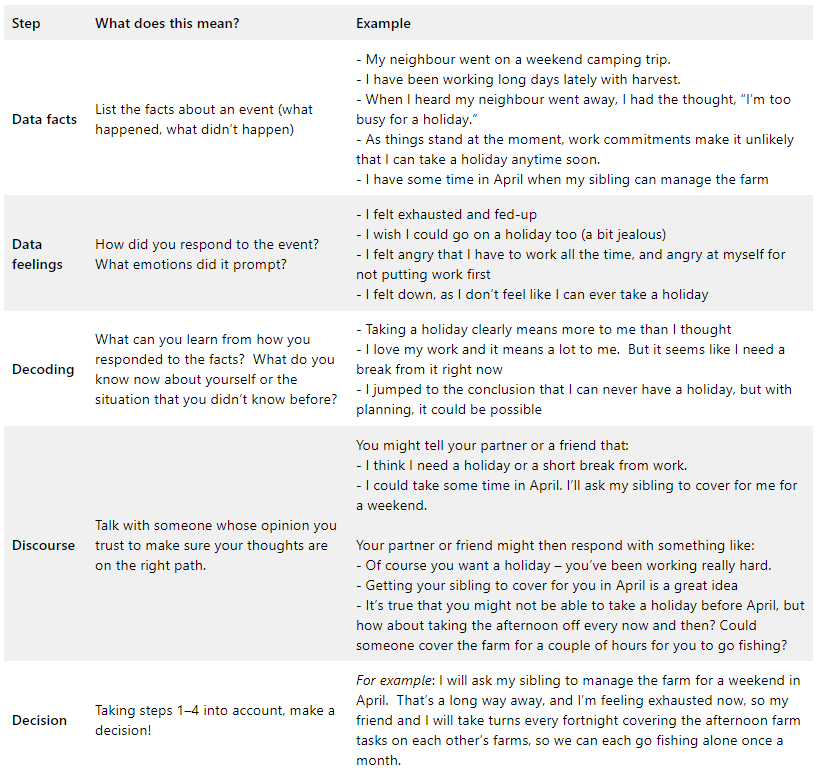
The 5D reflective thinking process resonates with me, as it speaks to the Mental Health for Ag project that I am currently working on. The 5D reflective thinking process could help when filling out the change and goals section of “Steering Straight: My Plan to Keep on Track.” Whether you aim to make change in your daily life, on your farm, or in your community, the 5D reflective thinking process shows that it is important to:
- Think first about the facts
- Check in with your emotions (i.e. gut reaction)
- Learn something new about the situation and/or yourself from your reaction to the situation
- Share your thoughts with someone you trust
And only then do you make a decision! This process can help keep us clear-minded when a situation might be challenging, new, or overwhelming. It is a good way of “getting out of your own head” and seeing things for how they really are. It also encourages us to connect with others, and show them we value their opinion. And it’s when we can see things clearly that we’re capable of positive, meaningful change. Which brings me to a great quote that one of the guest speakers shared:
“Never doubt that a small group of thoughtful, committed citizens can change the world. Indeed, it is the only thing that ever has.”
Margaret Mead, cultural anthropologist
Drugs and alcohol on farm – a difficult conversation, but one worth having
This topic will be discussed as part of our online Bonfire Q&A on December 01 at 7:30pm, “Alcohol and Drugs on Farm” with John Darcy (VFF) and Dr Alison Kennedy (National Centre for Farmer Health).
Jack has been away at university and only occasionally been back to the farm – although his long-term plans will see him take over the family business when his parents start to step back.
But his most recent visits have opened his eyes to what he now sees as a serious alcohol problem amongst his peers.
“When I was playing footy at home I know Saturday nights could become a bit of a swim-through, especially if we won, but now I am looking at it in a new, and disturbing light,” Jack said.
“My mates still on the farm do work hard, but I reckon they play even harder and if I thought things could get a bit wild in Melbourne; I’ve seen some pretty crazy stuff at home.”
Jack said what he found even more concerning was some of his schoolmates were happy to hit the bottle hard even if they were home alone.
He said he had also noticed an increase in drug use.
“I knew about drugs before I went to uni; but in the past three years it seems to have exploded, and there isn’t a thing you go to, even just a meal at the pub and a couple of drinks after, where you don’t see people using them – or offering them to you,” Jack added,
“And then some of them go straight back to the farm and jump on the header or chaser bin and they shouldn’t be anywhere near heavy machinery. A few of my shearer mates also talk about drug use in the sheds to improve performance being pretty common.”
Farming is already a dangerous enough industry. Safe Work Australia’s report on deaths at work has found farming, fishing and forestry accounted for 23 per cent of all workplace deaths recent figures.
While farming does involve long and irregular hours; it is also an industry of isolation, high stress and job insecurity with success and failure often beyond the farmer’s control; with seasons, markets and weather the deciding factors.
All these things can encourage drug and alcohol use. Research into substance misuse clearly finds links between the use of drugs and alcohol and mental health problems, physical injury, reduced workplace productivity, accidents, drink-driving and violence.
Nearly half (44 per cent) of farm people in one study drank alcohol at high risk levels. This is a lot higher than in the general Australian population where 16 per cent of people who live in rural areas are moderate to high risk drinkers.
Cannabis was the most common illegal drug used (12.7 per cent) followed by amphetamines (8.5 per cent). Some 20 per cent of study participants reported working while affected by illegal drugs during the past 12 months; compared to 2 per cent in most Australian workplaces. One third of people in the study smoked tobacco and it was the drug they were most concerned about using and a staggering two thirds reported psychological distress.
In some ways drug and alcohol use is also a cultural burden – an expectation of regular drinking, long and irregular work hours and a lack of information and support to address substance problems.
Drinking alcohol regularly was normal. One farmer said: “If someone drops around you’ve got to have beer. That is common practice. As soon as you run out of beer there is a potential problem. If someone drops around and you can’t offer them a beer personally you would feel that you’d failed.”
Another described drinking as part of the male farming culture where “if you don’t have a beer you’re not a man”.
Jack said the message really hit home with him when he heard a friend going to work just out the road for harvest had been doing big hours and he went and had a few beers and went home and that morning he just fell asleep at the wheel and it just caught up to him – he died.
Long hours and irregular hours can mean people use drugs to stay awake and keep working.
One farm owner said: “I’ve been out harvesting … it’ll be three or two o’clock in the morning and they’re bouncing around and then they start grinding their teeth. Yeah, so I do find it a lot when they’re doing 24-hour work. Like some of them might go for three days without a decent sleep”.
Drinking and drug use outside work hours can cause problems during work from hangovers or the ongoing use of cannabis or amphetamines to keep going, but few employers made the connection. One said “so as long as they do their job, what they did the night before is irrelevant to me”.
Jack said he found that attitude even more frightening – and dangerously enabling.
Drinking alcohol increases the risk of:
- Short- and long-term health effects
- Road deaths
- Family violence
- Cancer and reducing immune system functioning
- The development and progression of poor mental health and suicide.
Alcohol masks the symptoms of depression and stress; and can make you feel worse; it’s a common but unsafe coping strategy for farmers and other people living in rural and remote areas. It’s also a risk factor for suicide.
For more information go to:
Alcohol and farmers | National Centre for Farmer Health
Farm-Safety-Assistance-v4.pdf (vff.org.au)
Farm-Safety-Walk-Talk-Flyer-Final-version.pdf (vff.org.au)
Alcohol Consumption, Obesity, and Psychological Distress in Farming Communities: An Australian Study (farmerhealth.org.au)Creating Healthy Workplaces publications (vichealth.vic.gov.au)
Injuries on the farm can lead to stress, long-term health concerns and loss of income or even fatalities, so preventing them from happening is the best way of protecting your mental health. When it comes to running the family farm, investing in mental health initiatives is not only good for your family and workers, but it’s good for business too. The NCFH is supporting farmers just like you to manage and respond to work-related risks that impact on workplace mental health – these are factors in your work that can affect an employee’s mental health and include high job demands, low job control, low role clarity and more. Managing these factors, means decreasing the risk of work-related stress, which can prevent physical injury, mental injury or even both at the same time.
Find out more about being mentally safe on farm at www.farmerhealth.org.au/campfire.
Other references:
Intoxicated workers: findings from a national Australian survey – Pidd – 2011 – Addiction – Wiley Online Library
‘You’re Less Complete if You Haven’t Got a Can in Your Hand’: Alcohol Consumption and Related Harmful Effects in Rural Australia: The Role and Influence of Cultural Capital | Alcohol and Alcoholism | Oxford Academic (oup.com)
This blog is part of the Primary Producer Knowledge Network led by the National Centre for Farmer Health to promote mentally healthy workplaces. Campfire, part of The Primary Producer Knowledge Network, is funded by the Victorian State Governments WorkSafe WorkWell Mental Health Improvement Fund.
You can join the online bonfire session, “Child Safety on Farm” on December 01 at 7:30pm to hear from John Darcy (VFF) and Dr Alison Kennedy (NCFH).
*Primary producers featuring in this blog are fictional, but based on research interviews with farmers, and developed with the assistance of the National Centre for Farmer Health
Meet the Team! Jessie Adams
Favourite Quote:
“Never let the fear of striking out keep you from playing the game.”
Babe Ruth
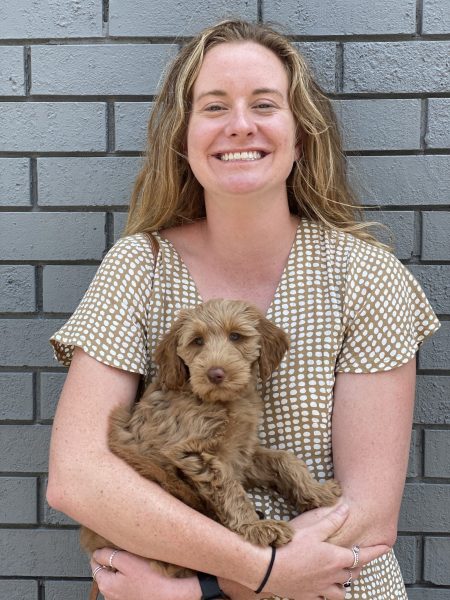
Jessie Adams completed her Bachelor of Public Health and Health Promotion (Hons) and Bachelor of Commerce at Deakin University in 2017. Following this, Jessie made the move to Hamilton to work as a Research Assistant at the centre. In 2020, she commenced her PhD focusing on child safety on farms. Growing up on a beef farm in north east Victoria Jessie is keen to help improve the health, wellbeing and safety of farming communities.
Keep reading to find out more about Jessie…

What is something that Australian farmers have to deal with that you would like to fix?
I think the lack of access to services in rural areas is a challenge all Australian farmers have to deal with. It would be great to increase the cultural competence of services in rural areas to ensure farmers find them engaging, relatable and approachable.
What do you like about working with NCFH?
I enjoy working with the supportive team at the NCFH. There are always different things going on which is exciting and means you are constantly challenged and able to develop many diverse skills.
What are you currently working on at NCFH?
I am currently completing my PhD. My study is focused on exploring if the behaviours, attitudes and lifestyles on Victorian farms influence the risk of fatal and non-fatal injuries for children. I also work as a Research Assistant and most recently have been working on ‘RAHDaR on Climate’ which is a research project aiming to understand the characteristics of presentations to the Emergency Department on extreme heat days in rural south-west Victoria.
What is your background?
I grew up on the beef farm in Staghorn Flat (north east Victoria). After a year spent living in England, I moved to Melbourne to complete a Bachelor of Public Health and Health Promotion and a Bachelor of Commerce at Deakin University. Following this, I completed my Honours year investigating children’s physical activity and motor skill use in playgrounds. In 2018, I moved to Hamilton to work as a Research Assistant at the NCFH.
What are the values that drive you?
Hard work, dependability, respect, authenticity and fun/enjoyment.
What are your three favourite podcasts/books?
Reading is not my speciality, however, I really enjoyed ‘The Dry’ by Jane Harper and ‘The Happiest Man on Earth’ by Eddie Jaku. Also, the Hamish and Andy podcast is always a laugh.
What do you enjoy doing when you are not working?
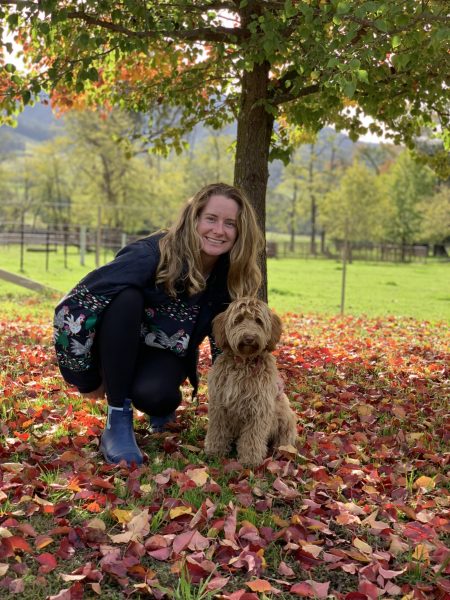
I enjoy catching up with friends, participating in sport (netball, tennis and gym) and taking my dog Bertie for walks.
Jessie’s PhD seeks to better understand the behaviour of children on farms and how this might influence their safety. If you would like to help inform Jessie’s research, you can email her at jessie.adams@wdhs.net.
Your Questions Answered: The Royal Commission into Victoria’s Mental Health System
This webinar event is the second in our series which seeks to explore how our farming communities can benefit from the findings from the Royal Commission into Victoria’s Mental Health System.
The release of the Royal Commission report revealed 65 recommendations to reform Victoria’s mental health system, with the Victorian Government pledging $3.8 billion to help turn these recommendations into a reality. Of this budget, $700 million will be directed to rural and regional areas. But what does this really mean for rural farming communities?
To better understand what these recommendations mean for rural Victorians our acting director, Dr Alison Kennedy, hosted a panel discussion to answer your questions about the challenges and opportunities highlighted in the report. These questions were asked by attendees of our first event exploring this topic.
During the webinar we encouraged attendee questions and participation, of which they contributed valuable thoughts and questions to the discussion.
Dr Alison Kennedy was joined by our esteemed panellists Dr Dom Baetens and Kelly Barnes.
Kelly Barnes – Creator and Founder of the Mates Dog School and the winner of the 2020 Victorian AgriFuture Rural Women’s Award. Kelly has lived experience and shared her experiences with the Royal Commission during the consultation stage of the inquest.
Dr Dom Baetens – Dr Baetens is the current Deputy Chief Psychiatrist at the Victorian Department of Health & Human Services. She has significant experience working in the Victorian mental health service, and brings keen insight into to opportunities presented by the final report.
Each of our panelists brought a unique perspective to this important discussion, and we hope you enjoy the webinar.
You can watch our first webinar and download a copy of the Royal Commission report through the buttons below.
Taking the stress out of child safety on farm
This topic will be discussed as part of our online Bonfires on February 10th at 7:30pm, “Child Safety on Farm” with Jessie Adams and Amity Latham (NCFH).
Matt and Susie are beef and sheep producers from North East Victoria. They both grew up farming and are really active in the outdoor work of farming, but had been struck by how many families in their district had been affected by farm accidents, some of which involved young kids.
“My mate’s young son had an accident which had left him seriously incapacitated, so that was always front of mind for me”, Matt said.
Susie continued, “We have three kids now, but right from the day we brought our first baby home to the farm we were aware that we wanted to make his childhood a safe one whilst making the most of this amazing farm we live on.”
“We were always big on supervision of the kids and in those early years, giving them a fantastic fenced play area next to the house, so they wanted to be there. Being able to call on my in-laws to help supervise the kids during really busy periods on the farm was really helpful in those early years. Sometimes we hired an extra worker, or took the work in shifts, just so we weren’t leaving kids to their own devices or leaving them to play in a zone where there were too many risks. At shearing time, we made a safe enclosed area in a corner of the shed for the kids to play where they couldn’t get into strife.”
Matt added, “I changed my quad bike to a side by side so we could have safer transport around around the farm, but I’ll only do jobs I can do in the ute when I have the kids with me, and I am nuts about booster seats and seatbelts in the twincab.”
“We often have other families and relatives visit our farm and we are really careful about safety, especially over summer when all the kids love to swim in the river. We made sure the kids could swim and I even pulled out the old lifeguard shirt and popped it on to remind me that I was taking responsibility here – for my kids and theirs! Teenagers think this is pretty un-cool now, but they know the rules.”
Susie (the ex-teacher turned farmer) tells me that “when the oldest of our three kids was 6 we made a game out of doing a safety audit around the farm with all the kids in school holidays. It was really fun and the kids loved it. We played “spot the hazard” identifying risks with things like machinery, animals in the yards, stuff in the shed, farm vehicles, etc. The kids made signs about where they were and were NOT allowed to go. We had rules about what age you had to be to do certain tasks, and we stuck to them pretty much”.
“The funny side of having these on-going safety conversations with your kids is that if you forget to do something properly, like wear your seat belt or a dust mask, or tidy up the workshop, they pick you up on it straight away. So our kids really started taking responsibility for their own safety and their younger siblings. We’ve done online shopping together on the Farmer Health Safety Shop to make sure they have the right PPE for working on the farm for the tasks they do. It makes them feel like we value their contribution. And these days there are some pretty kid-friendly safety products available.”
“From our point of view as parents, our workplace is also our family home – and the boundaries can get a bit blurred at times. But having rules gives us a sense of control and some peace of mind. We love living on the farm, it’s a great lifestyle, but the farm is not always suited to being a playground.”
Matt acknowledged, “Of course as the kids get older the rules change. I have to make sure that each kid understands how to do a task safely if they are going to be working with me. I have to set aside more time to ensure they are competent and can manage equipment safely. Inevitably, there have been some minor incidents, but thankfully nothing major, and the kids have learned more about their own capabilities, how to assess risk, and to stick to the agreed rules.”
“Our kids are now in high school and we are delighted that they want to do some of the Agriculture electives where they will be taught how to do some of the key farming tasks safely by the TAFE teachers, because learning a farm safety mentality from people other than Mum and Dad is fantastic and builds on the foundations we have laid at home.”
Susie added “Our older child recently did a program at school called GearUp for Ag Health and Safety run by National Centre for Farmer Health. We sure had some interesting conversations around the dinner table that week. They were proud of how much they knew.”
Injuries on the farm can lead to stress, long-term health concerns and loss of income or even fatalities, so preventing them from happening is the best way of protecting your mental health. When it comes to running the family farm, investing in mental health initiatives is not only good for your family and workers, but it’s good for business too. The NCFH is supporting farmers just like you to manage and respond to work-related risks that impact on workplace mental health – these are factors in your work that can affect an employee’s mental health and include high job demands, low job control, low role clarity and more. Managing these factors, means decreasing the risk of work-related stress, which can prevent physical injury, mental injury or even both at the same time.
Find out more about being mentally safe on farm at www.farmerhealth.org.au/campfire.
This blog is part of the Primary Producer Knowledge Network led by the National Centre for Farmer Health to promote mentally healthy workplaces. Campfire, part of The Primary Producer Knowledge Network, is funded by the Victorian State Governments WorkSafe WorkWell Mental Health Improvement Fund.
You can join the online bonfire session, “Child Safety on Farm” on November 17 at 12:30pm or 7:30pm to hear from Jessie Adams (NCFH) and Brooke Greig (Hesse Rural Health)
*Primary producers featuring in this blog are fictional, but based on research interviews with farmers, and developed with the assistance of the National Centre for Farmer Health
Meet the Team! Sonya Duke
To those who have participated in our Mental Health 4 Ag program, Sonya needs no introduction.
Graduating from ANU with a Bachelor of Arts and Bachelor of Science (Hons), where she majored in International Relations and Global Change Science, Sonya’s honours project investigated rainfall variability in eastern Australia. Keen to develop her understanding of plants and farming systems further, she graduated from Melbourne Polytechnic in 2020 with a Diploma of Applied Horticultural Science.
Keep reading to learn more about Sonya and the work she does for rural and remote communities through the NCFH…
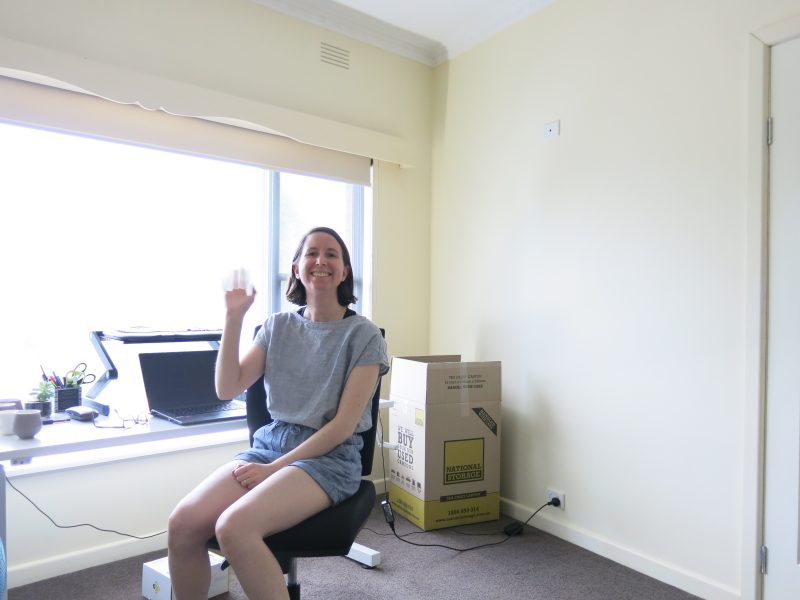
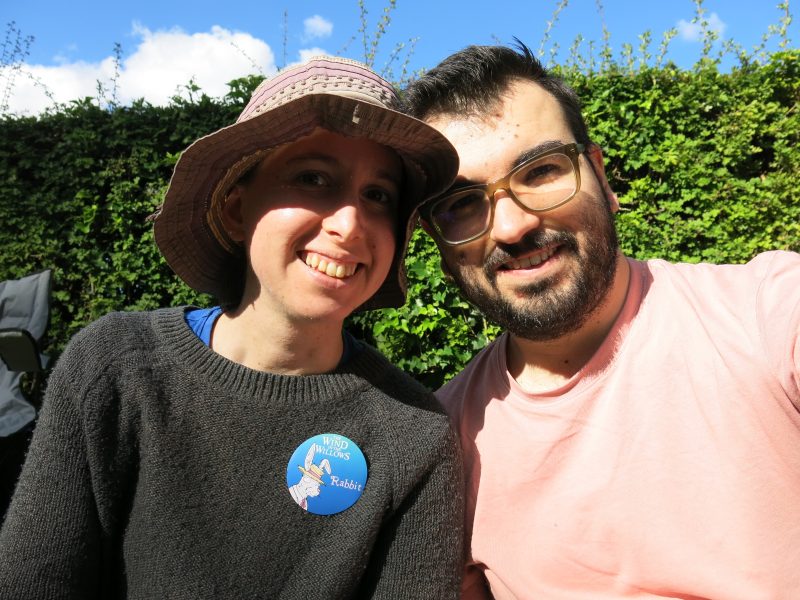
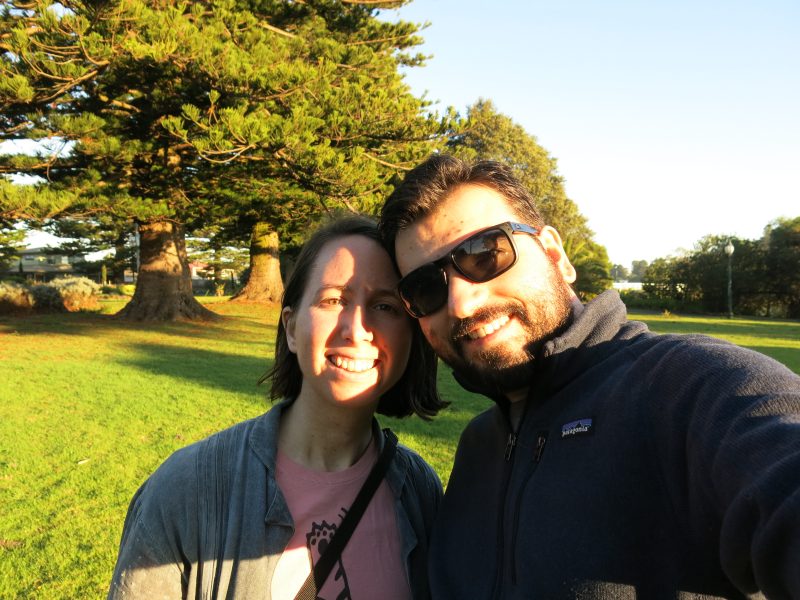
Sonya and Sam in the wild. 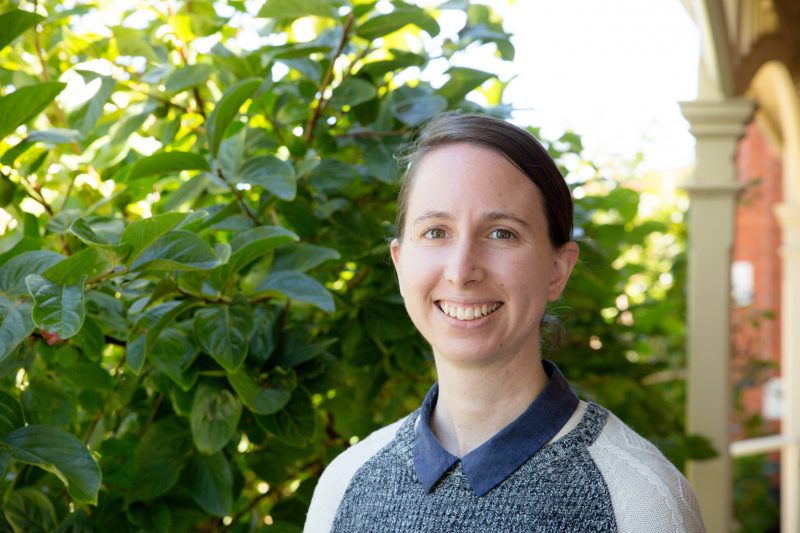
Favourite Quote:
“Life is like soil—you get out of it what you put into it!” (It’s not really a quote – more of a philosophy to live by!)
What is something that Australian farmers have to deal with that you would like to fix?
Farmers experience a lot of uncertainty (markets, weather and climate, succession planning), which, of course, can generate a lot of stress. I would like to help farmers build their resilience by learning about simple and practical things they can do to help manage stress and low mood.
What do you like about working with NCFH?
Living in the community of the people who we serve (farmers and farming types!).
What are you currently working on at NCFH?
The Mental Health 4 Ag project. We’re currently preparing for some interviews with people who have experience with community-led mental health programs.
What is your background?
I’ve always been interested in the natural world around me, and I studied environmental science at university. In my final year, my thesis explored climate drivers and rainfall variability in eastern Australia. I have also studied a Diploma of Horticultural Science—one day, I hope to grow all of my own food, and maybe have a small-scale horticultural operation.
What are the values that drive you?
Respect for others and living things, curiosity, connection, balance, freedom of expression, and hope.
What are your three favourite podcasts/books?
ABC’s All in the Mind
BBC’s Gardeners’ Question Time
Gardening Down Under, by Kevin Handreck
What do you enjoy doing when you are not working?
So many things! Anything creative and hands-on (sewing my own clothes, baking, gardening, calligraphy).
To read more about Sonya’s project, Mental Health 4 Ag, please follow this link: Mental Health 4 Ag | National Centre for Farmer Health