

Electrocution
Electrocution on farms is often due to overhead power lines. You do not have to touch a power line to be electrocuted with overhead power lines as the power arcs. Harvest time on farms is particularly risky. Producers using large machinery such as harvesters and augers underneath overhead powerlines should take particular care. Moving large objects such as Windmills and silos can also be hazardous when there are power lines nearby.
Aerial power lines, defective wiring and extension cords are also common causes of electrocution.
If someone is electrocuted, it is vital to disconnect the power supply before you try to help them. After you disconnect the power source, give first aid and seek medical help.
Injuries and death from an electric shock can include burns and disturbances to heart rhythm (heart failure) that could be fatal.
Fast facts:
- Electrocution can be fatal.
- Ensure there is a safe clearance between you, the equipment you are using and overhead wires.
- Disconnect the power, if you can do so safely, before you touch or try to help a victim of electric shock.
- Call triple zero (Tel. 000) immediately if someone has been electrocuted.
References used for this topic
More information:
St John Ambulance Australia
Electrocution
Safework Australia
Electrical risks at the workplace fact sheet
Clinical care:
Queensland Health
Primary Clinical Care Manual
Research & reviews:
Kondinin Group – Western Australia
Prevention and first aid for electric shock
Australian Institute of Health and Welfare
Electrical Injuries: hospitalisations and deaths 2014-15 and 2015-16 [PDF]
Crush injuries
Crush injuries occur when a part of the body – such as a hand, arm, leg, foot or trunk is trapped, pinched or jammed under or between objects. The pressure can harm skin, muscles, nerves or bone, depending on the degree of force. In some cases little damage is seen on the outside as the damage is hidden on the inside.
Crush incidents are often horrific events that result in death or life-long consequences for workers, their families and communities. Crush injuries range from hitting a finger or thumb with a hammer, to the deadly impact of unsafe use of modern machinery, falling hay bales, or quad bike rollovers.
Crush injuries are common on farms, particularly those involving the hands. The most serious cases occur in agriculture where heavy machinery is used and people become trapped under them or in them.
Crush injuries can happen:
- During tractor and quad bike rollovers, with the main causes of death from quad rollovers being asphyxiation, crushing and head injuries.
- While using heavy equipment.
- When moving large hay or wool bales and they fall.
- While dealing with large animals in yards or small spaces.
- During logging or cutting firewood.
- While moving farm equipment.
- Operating vehicles without a driver (for example feeding out alone).
Crush injuries can cause compartment syndrome or crush injury syndrome which both have serious consequences. Both require urgent medical attention.
Compartment syndrome
Compartment syndrome can occur when muscles inside the ‘compartment’ of a limb swell so much that blood flow is blocked. The fascia, which covers the muscles, is not very elastic and does not stretch, forcing the pressure from the swelling inwards, compressing nerves and blood vessels. This compression can damage nerves and muscles, causing chronic pain and mobility issues. Compartment syndrome can be caused by many things including being crushed under a heavy object.
Crush injury syndrome
Crush injury syndrome occurs when a large area of muscle is compressed and starved of blood flow over several hours. This causes the muscle cells to break down, releasing acids and other chemicals. When the pressure is removed these chemicals are released and can cause serious damage as they travel to the heart and kidneys.
First aid
First aid for crush injuries requires careful assessment. If the area has been compressed for a long time it may be best to wait for emergency services to arrive or seek advice when you call triple zero (000), before removing the crushing weight, as a tourniquet or intravenous fluids may be needed before the weight is released.
However, if the weight on the head, chest, neck or abdomen is not removed the casualty may die from breathing failure, heart failure or blood loss. Even if not apparently badly injured internal damage or rapid deterioration can occur. Seek medical attention.
Visit Better Health Channel for more information and suggestions to prevent crush injuries involving tractors, quad bikes, machinery, grain augers and livestock.
Fast facts:
- Crush injuries, where part of the body is squeezed between or under a heavy object, are common on farms and can be serious.
- Crush injuries can cause broken bones (fractures) bruising and bleeding.
- Crush injury syndrome occurs when a large area of muscle is squashed – this requires careful first aid. Call triple zero 000 immediately for advice before you ‘free’ the person.
References used for this topic
More information:
Safe Work Australia
Key Work Health and Safety Statistics Australia 2024
Some steps to reduce risk of death from cattle crushing [PDF]
Clinical care:
Practical Plastic Surgery For Nonsurgeons (Chapter 35)
Hand crush injury and compartment syndrome [PDF]
ANZCOR Guidelines
Guideline 9.1.7 – First Aid Management of Crush Injury
Research & reviews:
Safe Work Australia
Work-related hand and wrist injuries in Australia [PDF]
Farming Ahead
Avoiding and treating Crush Injuries (2016) [PDF]
Burns
There are many causes of burns on farms. These include burns from friction, heat, sun, chemicals, equipment and fuels.
Some causes of burns include UV radiation (sunburn), flame, radiant heat, hot liquids or gases, electricity, fuels and certain chemicals. The cause of the burn will determine the category of the burn. Sometimes farmers use burning to reduce pests in fields, get rid of stubble and snails. Carelessness is the most common cause and to avoid burns on the farm and in the home, proper safety precautions needs to be undertaken.
There are several categories of burns
- Dry/wet burns – flames & scalds
- Chemical burns – e.g. acid, alkaline (lime), or organic compounds
- Electrical burns
- Mouth/throat/inhalation burns
- Radiation burns
- Molten substances/plastics/metals and bitumen burns
All deep burns need emergency medical care and the management of the burn will vary depending on the category of the burn.
General management involves: Ensure you are no longer in contact with the source of the burn. Applying cool running water over the burn site for 20 minutes, or until the skin has cooled. Do not break blisters as these provide a sterile cover for the burn, do not apply ointments or oils. Cover the area with a sterile/ clean non fluffy dressing. Arrange urgent medical assistance.
Major burns are a medical emergency and require urgent medical attention. Do not remove burned clothing if it stuck to the burned area, rather cool it by continuously pouring water on it. In some cases, skin graft surgery is needed.
Always call triple zero Tel 000 for major burns. You will be given advice over the phone on how to manage the burn.
For more information on (Burns and Scalds) visit Better Health Channel
Immediate Burn Treatment – video
Fast facts:
- Major burns are a medical emergency, minor burns can be managed at home.
- Burns can be caused by sun exposure, fire, hot liquids, chemicals, electricity and lightning.
- Apply cool running water over the burn site for 20 minutes or until the skin has cooled.
- Call triple zero (000) for an ambulance immediately if someone experiences a major burn.
References used for this topic
More information:
Victorian Adult Burns Service – First Aid,
First Aid
Patient information sheets
Better Health Channel
Burns and scalds in children
St John
Burns
Raising Children
Burns and scalds first aid
Better Health Channel
Eyes – Flash Burns
Clinical care:
Royal Children’s Hospital Melbourne
Burns
Research & reviews:
Journal of Multidisciplinary Healthcare
Occupational chemical burns: a 2 year experience in the ED
American Academy of Pediatrics
Preventing unintentional scalds and burns: moving beyond tap water [PDF 300kb]
Cochrane Collaboration
Dressings for superficial and partial thickness burns (Review) [PDF 540kb]
World Health Organization (WHO)
Burns
Bleeding
Farming men, women, children and agricultural workers are exposed to many hazards which can potentially cause trauma and injury, resulting in bleeding. Bleeding may present as minor bleeding from small cuts, abrasions and nosebleeds or severe external or internal bleeding caused by trauma. Bleeding always requires immediate attention and first aid.
- First aid for severe external bleeding includes applying direct pressure on the wound maintained by using preferably clean pads and bandages, and raising the injured area above the level of the heart if possible.
- First aid for internal bleeding assist into comfortable position. If suffering breathing difficulties – sit in an upright position. If no breathing difficulties raise legs above the level of the heart. Cover with a blanket but DO NOT overheat and protect from the external environment. DO NOT give food or drink.
- First aid for small cuts and abrasions can be treated at home. Clean the area of the wound, disinfect and apply a clean bandage or sticking plaster.
- Having a well-stocked first aid kit available is your responsibility. Keep several first aid kits around the farm, for example in the workshop, shearing shed and in the tractor.
To find out more on the different types of bleeding, treatment and management. Go to Better Health Channel
Severe bleeding, which doesn’t stop after 10 minutes of continuous pressure, requires urgent medical attention. Call triple zero (000).
Fast facts:
- First aid for external bleeding is critical to limit blood loss.
- Apply and maintain direct pressure on the wound. Use pads, bandages, or anything available like towels or a t-shirt if you are not near a first aid kit.
- For external bleeding – raise the injured area above the level of the heart if you can.
- For internal bleeding – place the injured in a comfortable position. Keep warm and DO NOT offer food or drink.
- If severe bleeding continues after 10 minutes of continuous pressure call triple zero (000) and give a clear description of your location and emergency situation. Remain calm, stay focused, and reassuring to the injured person.
- Always have more than one person trained in First Aid on your farm and family.
References used for this topic
More information:
Better Health Channel
Bleeding
St John Ambulance NSW
Managing severe bleeding
Worksafe Compliance code: First aid in the workplace
Clinical care:
National Blood Authority Australia
Patient Blood Management Guidelines
Bites and stings
Poisons Information Centre – 13 11 26
There are many Australian species that bite or sting, such as insects, bees, wasps, ants, mosquitos, ticks, scorpions, caterpillars, centipedes, spiders, snakes and sea creatures. Some bites and stings may be harmless and not require treatment, others may be venomous or cause a severe allergic reaction (anaphylaxis) and require medical treatment promptly.
Allergies to venoms from stinging insects (bees, wasps and ants) are one of the most common causes of severe allergic reactions (anaphylaxis) in Australia. Symptoms of anaphylaxis include:
- A widespread rash, or severe itching.
- Swelling of the tongue or throat.
- Coughing, wheezing, or trouble breathing.
- Abdominal pain.
- Diarrhoea.
- Vomiting.
- A drop in blood pressure (shock) or fainting.
Anaphylaxis from stinging insect allergy results in an average of three deaths per year in Australia. Those with a known allergy should be seen by a medical specialist (clinical immunology/allergy specialist) to develop a strategy for managing subsequent bites or stings and have two adrenaline auto-injectors (e.g. EpiPen®, AnaPen®) readily available to treat anaphylaxis.
People at greater risk of severe reactions to spider venom include babies, young children, the elderly and people with an existing heart condition.
In the event of a venomous bite or sting:
- Call triple zero (000) for an ambulance in an emergency.
- Reassure the person and keep as still as possible.
- Determine the appropriate first aid action for the type of bite or sting:
- Pressure Immobilisation Technique (PIT) for funnel web and mouse spiders, land snakes, sea snakes, blue ringed octopus and cone snails.
- Ice/cold packs (not directly on the skin) for red back spiders, other spiders (except funnel webs), wasps, scorpions, bees (remove the stinger), ants, leeches (once removed), centipedes and caterpillar stings.
- Hot water immersion (not scalding) for stingrays, stonefish, cobblerfish, and bluebottles (after tentacles are removed).
- Vinegar for tropical jellyfish such as Box and Irukandji.
- When using the PIT, apply pressure to the wound with a firm (10-15cm wide) elasticised bandage – use a second wide bandage starting at the toes or fingers and bandage up the limb as far as possible.
- Do not remove the bandage at any stage and mark the bandage at the site of the bite or sting. This will enable medical staff to locate the site for inspection without removing the bandage.
- Do not apply a tourniquet.
If the person collapses or stops breathing, you will need to apply CPR (cardiopulmonary resuscitation) until medical help arrives. Remember – CPR takes precedence over other first aid if the person is not breathing.
If you need more information call the Poisons Information Centre on 13 11 26 – seven days a week, 24 hours a day.
Important note: NEVER apply the pressure immobilisation technique to a red back spider bite; it will increase the severity of the pain and cause more damage to the tissue around the bite site. First aid is to wash the area and apply a cold pack for 20 minutes ensuring it doesn’t come into direct contact with the skin, and to seek medical help.
For more information on bites and stings first aid, visit Better Health Channel.
Fast facts:
- Many Australian species can bite or sting, some may be harmless, and others may be venomous or cause allergic or anaphylactic reactions.
- If you’re known to have a severe allergy to the bite or sting of a species – have a management plan and carry an adrenaline auto-injector (EpiPen® or AnaPen®).
- Do not use tourniquets, cut the puncture site or try to suck the venom from a bite.
- Seek medical assistance immediately
- Call triple zero (000) for an ambulance in an emergency.
References used for this topic
More information:
Poisons Information Centre
Call 13 11 26 – 24 hours a day, 7 days a week
Poisons Information Centre
Victorian Poisons Information Centre
Call 13 11 26 – 24 hours a day, 7 days a week
More information from Austin Health
Australian Bites and Stings
Visit website
Australian Museum
Insect bites and stings
Royal Children’s Hospital Melbourne
Insect bites and stings in children
Better Health Channel
Applying CPR
University of Melbourne
Preventing venomous injuries with the new Australian Bites and Stings APP
Clinical care:
Austin Health
First aid for bites and stings (including Pressure Immobilisation Technique)
Safer Care Victoria
Management of snake bite
Research & reviews:
ASCIA – Australasian Society of Clinical Immunology and Allergy Limited
Allergic reaction to bites and stings
Photo by Sarah Damen on Unsplash
Ambulance – when to call one
Farmers, who often work alone, need to be as self-reliant in an emergency as possible. First aid skills are essential for all farm workers and people living on farms. Knowing what to do in an emergency could save a life, and that life could also be your own.
It is important to know when to call for help. Your first reaction in an emergency may not always be the best course of action.
Even if you think it will take too long for help to arrive, always call triple zero (000) in an emergency as the operator may provide you with life-saving advice and obtain/take note of the details of your location.
If you are working outside of mobile phone range, always make sure there is someone who knows where you are going and what time you expect to return.
Emergencies – calling an ambulance
In a medical emergency call triple zero (000) from any phone within Australia – even if you don’t have any phone credit. Don’t hesitate to call if you’re not sure if the situation is an emergency. If in doubt, call 000 anyway. Calling an ambulance can be the difference between life and death.
Find out more about this topic on Better Health Channel
Fast facts:
- If in doubt, always call triple zero (000).
- Ambulance staff can give lifesaving advice over the phone; don’t hesitate to call in an emergency.
- Give an accurate location so the ambulance gets there ASAP.
- Don’t hang up until you are told to do so.
References used for this topic
More information:
Ambulance Victoria
Non-emergency information transport
Australian Communications and Media Authority
Emergency call services
Emergency services
Triple zero (000)
Emergency Services Telecommunications Authority
What happens when I call triple zero?
Victorian Poisons Information Centre (VPIC)
Calling the Victorian Poisons Information Centre 13 11 26 (Nationwide) 24 hours, 7 days a week
Eye injury – flash burns
From time to time, farmers need to weld. Flash burn, also known as ‘welders flash’, ‘arc eye’, or ‘arc flash’, is a common and painful complaint reported by farmers after workshop or situational welding on the farm. Flash burns occur when the cornea (the clear tissue that covers your eyes) has been exposed to ultraviolet light. Flash burns is like really bad sunburn in the eye. Flash burn occurs when the eye is exposed to bright ultraviolet (UV) light which can occur when using a welding torch. Flash burn symptoms will start to develop a few hours after exposure, and become increasingly and incredibly painful.
Symptoms of flash burn include:
- pain – ranging from a mild feeling of pressure in the eyes to intense pain in severe instances
- tearing and reddening of the eye and membranes around the eye (bloodshot eye)
- watery eyes
- sensation of “sand in the eye”
- abnormal sensitivity to light
- inability to look at light sources (photophobia)
The treatment of flash burn will depend on the severity and includes local anaesthetic drops, pain killers and eye padding to rest the eye. Darkening the room and avoiding light can assist. If you have contact lenses remove them. is important to always seek medical advice if symptoms of flash burn continue as burns can become infected. If infection occurs, antibiotic treatment will be required. If an infection is left untreated there is an increased risk of vision impairment and loss.
The most common cause of flash burn on farms is when welding is undertaken without using appropriate UV eye protection. Flash burn is easily prevented by using personal protection equipment such as a welder’s visor with an Australian and New Zealand Standard approval (AS/NZS) Eye protection against radiation generated in welding includes AS/NZS1338.1 for eye protection and AS/NZS1337 and AS/NZS1337.1 for face protection.
Importantly, if welding and performing a task which generates particles damaging to the eyes, an auto darkening welding helmet / visor should comply with AS/NZS1337 or AS/NZS1337.1 face protection for high impact, otherwise protection is not suitable.
Other sources of UV radiation burns (flash burn) on farms include exposure to direct sunlight and the reflection of sun off water or snow. It can also occur during a solar eclipse if you are looking directly at the sun for a prolonged period of time. Given farmers, at times, need to work in direct sunlight, owning and wearing a pair of approved UVA and UVB protectant sunglass will assist with preventing an episode of flash burn.
Find out more information on flash burn visit Better Health Channel
See your local doctor or healthcare professional if:
- you have increasing pain in your eyes
- your vision is getting worse (or is blurry)
- your eye is getting more sensitive to light
- you are concerned for any other reason.
For health advice from a registered nurse you can call NURSE-ON-CALL 24 hours a day on 1300 60 60 24 for the cost of a local call from anywhere in Victoria.
Fast facts:
- Flash burns feel like sunburn in your eyes and is caused by bright ultraviolet (UV) light If you experiencing symptoms of flash burn, see medical attention and follow instruction.
- Untreated flash burns can cause infection and permanent eye damage.
- Always use a recommended AS/NZS welder’s visor when welding.
References used for this topic
More information:
Better Health Channel
Eye safety at work
Safe work
Recommended Personal Protection Equipment for Welding
National Ag Safety Database (US)
Eye protection for farmers
Industrial Safety and Hygiene News
All about welder’s flash or arc eye
Clinical care:
Australian Doctor
How to treat: minor farm issues
Safer Care Victoria
Eye injuries (Flash burns)
Research & reviews:
Australian Institute Health and Welfare
Eye-related injuries in Australia
Monash University – Monash Injury Research Institute
Unintentional adult eye injuries in Victoria
CPR
When the heart stops pumping, it is known as cardiac arrest. Cardiopulmonary resuscitation (CPR) is a combination of techniques designed to pump the heart, keep blood circulating and deliver oxygen to the brain until medical treatment can stimulate the heart to start pumping again. CPR can be life-saving first aid and can increase an individual’s chance of survival.
Survival rates of cardiac arrest differ between urban and rural patients. This is largely due to a difference in ambulance response time and for this reason, it is important that everyone on the farm is trained on how to perform basic life support, including CPR.
It is important to note that the CPR steps for children aged 8 years or younger are the same as for adults and older children, but the technique is slightly different for young children and infants. If you’re applying CPR ensure you’re aware of the technique difference for children aged 1- 8 years and infants aged up to 12 months.
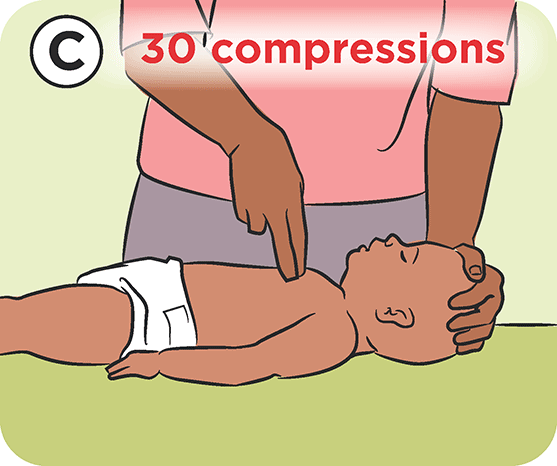
To find out more information about CPR visit Better Health Channel
CPR and AED Instructional Video
Where is your nearest AED?
Fast facts:
- Cardiopulmonary resuscitation (CPR) CPR can be lifesaving first aid if a person’s heart has stopped
- Always call triple zero (000) for an ambulance. You will be given advice if you are unsure what to do while you wait for paramedics.
- Learn CPR from an accredited trainer, it’s a skill that everyone on a farm should learn.
- CPR accreditation needs to be updated annually
References used for this topic
More information:
Better Health Channel
First aid basics and DRSABCD
St John Ambulance Australia
St John Ambulance
Clinical care:
Australian Resuscitation Council
The ARC guidelines
Research & reviews:
Medical Journal of Australia
Chest pain in rural communities; balancing decisions and distance
Suicide – signs to look for
Suicide continues to be a cause of avoidable death among farmers in Australia, although rates of death vary significantly in different areas of Australia. Occupational, environmental, social, cultural and climatic conditions, limited access to appropriate health care services and stigma, all contribute. People living on farms also have greater access to lethal means than people in the city, which increases the chance of a fatality when a suicide attempt is made.
While diagnosable mental illness can be a factor in suicide, this is not always the case. Farming can be extremely difficult at times and challenges can accumulate. After years of drought some farm families then face crop and stock losses due to floods, fires, market changes or insect attack. It can seem overwhelming. Suicide risk in farming families has also been linked to family breakdown, children leaving home, or anything that jeopardises farmers’ ability to continue farming (e.g. a debilitating injury or illness, or problems with farm transfer and farm finances). Alcohol misuse can also increase the risk of suicide.
Signs to watch out for
If someone close to you is talking about ‘ending it all’ or that they ‘can’t take anymore’, don’t ignore it. However, not everyone talks explicitly about their intention to suicide. Some signs that a person may be thinking of suicide include:
- Talking about death or hurting themselves
- Drinking more or using drugs
- Saying they feel there is no way out of their problems
- Saying their family is better off without them, or they are better off out of the way
- Abandoning social activities and isolating themselves
- Indications of anger or rage.
Things you can do which may help
Your role as a support person is similar to performing ‘first aid’. That is, you do your best to support the suicidal person and link them up with professional mental health services. If someone expresses a desire and a plan to take their own life, do whatever it takes to get them help. Remember that people who consider suicide often change their mind. If you can offer support—even as a listening ear—you may help get them through a critical time.
- Tell the person how important they are to you and how you and others need them.
- Let them know that you recognise how bad they are feeling, but don’t ignore the problem.
- Acknowledge that they are feeling terrible but that things are likely to improve with time and support.
- If they want to talk, listen. Don’t make promises to keep your conversation secret—you may need to call on others for support.
- Ask them if they would like to talk to someone outside the family, like an Outreach Support worker, a psychologist from the Farmer Health/Lysn Online Psychology Service, a phone counsellor at the Suicide Call Back Service (details below), or Lifeline.
- Offer to accompany them to an appointment with their GP or a mental health professional, if this would make them more comfortable.
- Ring a phone counselling service yourself—the counsellor may have some advice that will help.
- Remove any means of suicide available (where possible)—including weapons, ammunition, farm chemicals, medications, alcohol and other drugs, even access to a car. Be aware of your own safety.
- For immediate crisis intervention when life may be in danger, ring the ambulance or police on Triple Zero (Tel. 000), or take the person to your local hospital emergency department.
Fast facts:
- Suicide continues to be a cause of avoidable death among farmers in Australia.
- If someone close to you shows signs of not coping, or talks about ‘ending it all’—take them seriously and support them any way you can.
- Encourage the person to Ring a 24 hour service like the Suicide Call Back Service Tel 1300 659 467 or Lifeline Tel 131 114, or ring them yourself for support and advice.
- Remember, some people talk about suicide in some way before they act and others may demonstrate this through their actions.
References used for this topic
More information:
Australian Suicide Prevention Foundation
Get Help
Beyond Blue
Myths and facts about suicide
Lifeline
When should I check in—I’m worried about someone.
Support Toolkit
ReachOut Australia
My friend is suicidal
ReachOut Australia
What to do if you are considering suicide
Research & reviews:
International Journal of Environmental Research and Public Health
Suicide in rural Australia: Are farming-related suicides different?
Australian Bureau of Statistics
Causes of Death, 2018
Social Psychiatry and Psychiatric Epidemiology
A regional approach to understanding farmer suicide in Queensland
Occupational Medicine
Farmer suicides: A qualitative study from Australia
International Journal of Environmental Research and Public Health
Pathways to suicide in Australian farmers: A life chart analysis
Rural and Remote Health
Suicide and accidental death in Australia’s rural farming communities: a review of the literature
Depression – the facts
Depression is a common condition which is not always identified and diagnosed and affects men, women and young people. Depression is more than feeling sad or stressed. Learn to recognise the symptoms so you seek help when you need it.
There are a range of behavioural, psychological and physical symptoms that, when experienced together for more than two weeks, may indicate you are depressed. These include:
- Withdrawing from friends and family
- Struggling to get things done at work
- Difficulty concentrating
- Struggling to find things you enjoy
- Feeling overwhelmed, sad, frustrated, guilty and indecisive
- Feelings of failure and worthlessness
- Chronic tiredness
- Weight gain/loss
- Digestive problems
- Getting sick all the time
- Poor sleep
It’s important to realise that we all experience some of these symptoms at some time, so seeking further support and advice is important. Your GP is a good place to start.
Particular factors and experiences in farming life can contribute to the development of depression and may also mean it goes untreated. These can include:
- Being in the habit of ‘working it out yourself’, which makes it difficult to seek help when it’s difficult to cope.
- Isolation and limited access to services.
- Finding it difficult to approach local health workers because you may know them socially.
- Practical issues to do with leaving the farm to seek help.
- Financial, climate related and other pressures that may seem insurmountable.
- Particularly for rural women, isolation, exhaustion and postnatal depression are some of the most common contributing factors to poor mental health.
- Learn to recognise the symptoms so you seek help when you need it.
There are a range of strategies used to treat depression and varying types of depression respond to different treatment. including medication, psychological, physical and self-help/alternative therapies. Your GP will know more about the options.
Rural issues – alcohol and depression
There is a strong link between excessive alcohol consumption and depression. Self-medication with alcohol is a common (but unsafe and ineffective) coping strategy for farmers and other people living in rural and remote areas. Alcohol only masks the symptoms of depression and stress, and can make you feel worse. Support services can assist you to find other ways to tackle depression.
Find out more about this topic on Better Health Channel
Fast facts:
Depression – the facts
- Depression is a common condition and it’s important to understand the symptoms.
- If you feel you’re not coping, you’ve lost interest in things you normally enjoy, can’t sleep, don’t want to eat and can’t concentrate, you may be depressed.
- Don’t battle on, seek help—depression is a condition which can be treated.
References used for this topic
More information:
Beyond Blue
Depression
The Conversation
What causes depression? What we know, don’t know and suspect
Beyond Blue
Men in rural and remote areas – What causes anxiety and depression in men?
Beyond Blue
Guide to Mind Health
Black Dog Institute
Depression
Depression Treatment
Clinical Research Unit for Anxiety and Depression (CRUfAD)
Online courses for depression
MindSpot
Online assessment and treatment for depression
Clinical care:
Clinical Research Unit for Anxiety and Depression (CRUfAD)
Resources for Clinicians
Royal Australian College of General Practitioners (RACGP)
Depression and Anxiety
Australian Psychological Association
Clinical Practice Guideline for the Treatment of Depression Across Three Age Cohorts
Medicine Today
Adult depression: a step-by-step guide to treatment
Research & reviews:
British Medical Journal (BMJ)
Clinical review: managing and preventing depression in adolescents
The Australian Journal of Rural Health
The Orange Declaration on Rural and Remote Mental Health
Hay fever
Hay fever (allergic rhinitis) is a common immune response caused by an allergic reaction to environmental allergens such as pollens, dust, mould and animal hair.
There are three types of allergic rhinitis; seasonal, perennial and occupational. Hay fever often occurs during spring (seasonal), when there are many airborne pollens, dust, moulds and animal hair particles in the air. Some people can develop hay fever all year round (perennial) or it can be triggered by an allergen they have become sensitive to in the workplace (occupational). Farmers have an increased risk of hay fever as many farming tasks involve direct contact with environmental allergens.
If farmers experience seasonal, perennial or occupational hay fever it is important to identify the triggering allergen and attempt to eliminate or reduce symptoms. Symptoms begin immediately after exposure to an allergen and will last until allergen exposureis eliminated. Farmers who experience seasonal hay fever may have symptoms that last for several weeks.
Common symptoms of hay fever include:
- Blocked or runny nose
- Itchy ears, nose and throat
- Itchy, red, watery eyes
- Sneezing
- Headaches
Common hay fever causes:
- Grass, weeds and tree pollens
- Dust mites and dust
- Animal fur or skin flakes
- Moulds and fungal spores
- Air pollutants
When to get help
Sometimes hay fever will clear up without treatment. If it doesn’t, it is important to seek medical advice, particularly if feeling tired and finding it difficult to concentrate, work and sleep. If an onset of thick green mucous from the nose occurs, it could indicate a sinus infection which requires medical treatment.
Where to get help
If experiencing seasonal hay fever, ask your local pharmacist or GP for medication. Ensure you explain the type of work you do on the farm as some hay fever medications may make you drowsy making it unsafe to operate farm machinery or drive. If hay fever develops due to ongoing exposure to an environmental allergen in the workplace discuss this with you GP.
Prevention
- Identify the triggering environmental allergen.
- Eliminate and reduce exposure to the allergen.
- If allergen exposure can’t be eliminated, attempt to reduce exposure. For example, if the dust in the livestock yards is an allergen, hose down the yards when mustering stock to reduce airborne dust.
- Check the daily pollen forecast and try to stay indoors on high pollen days if possible.
- Purchase respiratory protection such as an Australian Standard P2 dust mask if allergen is caused by dust. Ensure the mask fits and seals the face correctly. Facial hair can reduce mask effectiveness.
Seek an AgriSafe™ clinic to have a P2 dust mask properly fit tested
Fast facts:
- Hay fever (allergic rhinitis) is an allergic immune response that causes sneezing, runny nose and watery, itchy eyes
- Hay fever can be triggered by pollens and grass, or dust mites and animal fur.
- Farmers are at risk of hay fever as many farming tasks involve direct contact with environmental allergens.
- Identify hay fever triggers and develop strategies to eliminate, control and reduce exposure.
- Seek medical advice from your local pharmacist or GP if symptoms persist and affect your quality of life.
- Don’t operate or drive machinery if hay fever medication makes you drowsy.
References used for this topic
More information:
Australasian Society of Clinical Immunology and Allergy
Is it allergic rhinitis (hay fever)?
Better Health Channel
Hay fever
Healthdirect
Hay fever (allergic rhinitis)
The University of Melbourne and Pollen Forecast Network
Pollen Forecast
Clinical care:
Medical Journal of Australia
Optimising the management of allergic rhinitis: an Australian perspective
Hay fever allergic rhinitis and you asthma
Research & reviews:
Australian Institute of Health and Welfare
Allergic Rhinitis in Australia
International Archives of Occupational and Environmental Health
Lifetime allergic rhinitis prevalence among U.S. primary farm operators: findings from the 2011 Farm and Ranch Safety survey
Clinical and Experimental Allergy
Prevalence of hay fever and allergic sensitization in farmer’s children and their peers living in the same rural community
Journal of Agromedicine
Pesticide use, allergic rhinitis, and asthma among US farm operators
Bushfire smoke
Smoke from bushfires, planned burns and other sources can impact air quality. Bushfire smoke contains toxic gases such as carbon monoxide and nitrogen oxides, and particles, all of which can be hazardous to your health.
Small particles in smoke affect the lung’s ability to breathe and cause coughing, a sore throat and runny nose. For healthy adults, these effects usually disappear quickly once they move away from the smoky conditions. However, exposure to smoke over long periods of time (several weeks to months) during bushfire seasons can increase the risk of lung disease, anxiety and distress.
People with heart or respiratory conditions (including heart failure and high blood pressure, asthma, bronchitis, emphysema and chronic obstructive airway disease) are more sensitive to the effects of breathing in smoke. Smoke is also more likely to affect children, pregnant women and older adults.
Fine smoke particles can contribute to inflammation and narrowing of blood vessels in the heart and trigger bronchospasm in the windpipes (bronchi) of the lungs, making breathing more difficult. Farmers or agricultural workers with pre-existing heart and lung conditions should avoid exposure to bushfire smoke where possible.
Tips to reduce your risk of bushfire smoke exposure
- Stay indoors where possible. Close all windows and doors. Use only air conditioners that recirculate internal air, and not those that introduce external air. Use a portable indoor air cleaner equipped with a True HEPA (high efficiency particulate air) filter.
- Travelling. If travel by car is necessary and safe, use re-circulated air in the car.
- Wear an AS/NZS approved P2 face mask. If you can’t stay indoors and you need to be outside – wear a P2/N95 dust mask that has been properly fit-tested. Note: P1 dust/surgical masks, handkerchiefs or bandannas do not filter out the fine particles of smoke and will not protect your lungs from smoke as effectively as a P2/N95 dust mask. It is important to note that while a P2/N95 dust mask will protect you from smoke, it can make it more difficult to breathe. If you do have a lung/heart or medical condition, you should seek medical advice about wearing a mask long before you actually need one. P2/N95 face masks with a valve will feel less claustrophobic to breathe through.
- Protect your eyes. The small particles in smoke will also irritate and cause sore, itchy eyes. Wearing a non-ventilated goggle or a smoke visor/goggle combination will protect and assist with visibility if working outdoors.
- Reduce physical activity outdoors. If you need to exercise, access indoor gyms and pools with good air quality.
- Quit smoking as it makes you more sensitive to air pollution.
- Trust your senses. If you smell and see smoke, the risk of high levels of exposure is likely. If you feel difficulty breathing, wheezing or a tight chest, seek urgent medical help and call triple zero (000).
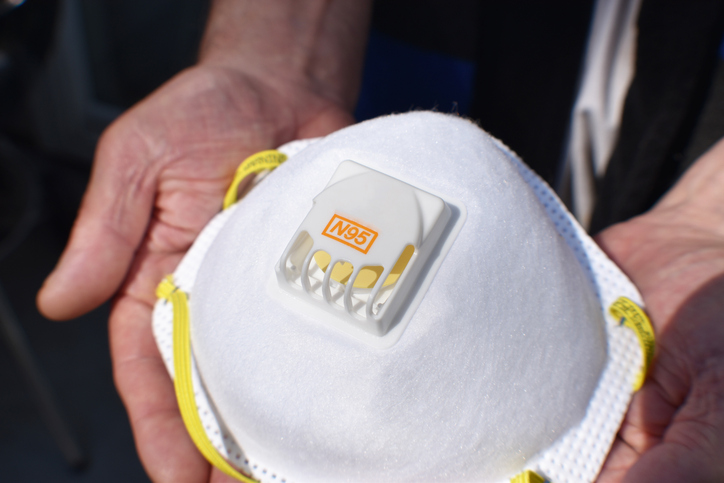
On days of High Fire Danger Risk (FDR):
- Keep well and stay well hydrated.
- Follow local Fire Authority news and advice.
- Follow your fire plan to protect yourself from the threat of bushfires and smoke.
- Follow air quality information – be aware of the daily Air Quality Index (AQI).
- If you have a lung or heart condition and are on prescribed medication, make sure you update your management action plan, take your medication, and ensure you have enough medications for several days in case you can’t re-stock your supply easily.
It is crucial you remove yourself from smoke, seek medical help or call triple zero (000) if you start to experience the following:
- Difficulty breathing.
- Coughing.
- Chest tightness.
- Chest pain.
- Palpitations.
- Fatigue.
To find out more information about the dangers of smoke and your health visit Better Health Channel.
Fast facts:
- Bushfire smoke can affect your health, especially if you have lung or heart conditions.
- When bushfires are around, keep outdoor activities to a minimum where possible.
- Remember even after the fire has gone, smoke particles and gases can irritate and affect your lungs over the following days.
- Seek urgent medical help and call triple zero (000) if you have chest pain or breathing problems.
References used for this topic
More information:
Australian National University
How to protect yourself and others from bushfire smoke
Asthma Foundation
Bushfires and asthma
EPA Victoria
Smoke and your health
Department of Health and Human Services
Bushfires and public health
Research & reviews:
Medical Journal of Australia
Bushfire Smoke: Urgent need for a national health protection strategy (2020)
Medical Journal of Australia
Bushfire smoke responsible for over 400 excess deaths (2020)