

Win a pair of Peltor X5A Earmuffs!
Enter your details – and your guess – through the form above for your chance to win a pair of Peltor X5A Earmuffs!
The winner will be announced on Tuesday 2nd August.
Gippsland and Goulburn Murray Rural Report
18th July 2022 – The latest rural stories for Gippsland, Shepparton and Goulburn Murray regions, featuring Dr Jacquie Cotton discussing Agricultural Chemical Use Mapping.
New Study Seeks to Understand Agri-Chemical Usage Across Victorian Farms
Farmers are the frontline of the annual battle against weeds and pests – and chemicals remain a common line of defence.
There are more than 8000 pesticides alone registered for use in Australia and 75 percent of those are for agricultural settings.*
Where, despite a barrage of best practice – and then better practice – advice, training and certification, the full impact of chemicals on the health and wellbeing of people using them or living around them remains largely unknown.
Deakin University’s Centre for Regional and Rural Futures and the National Centre for Farmer Health are leading a project to map the types of agrichemicals currently used in Victoria.
The variety of chemicals available to, and used by, farmers needs to be more thoroughly understood and that means we’re asking farmers to help this new project – to help themselves.
Project lead Associate Professor Robert Faggian says research results will be geographically mapped and be shared with agricultural industry organisations to further support and inform their health and safety information, resources and initiatives for the farming community.
The National Centre for Farmer Health’s Dr Jacquie Cotton said, through our work with farmers over many years, we know that people have an interest in chemical safety, chemical use and how they might be impacting their health.
The more farmers who contribute to the project, the better the information and the better the long-term benefits through industry awareness and education.
She says participation for farmers is a simple – and anonymous – 15-minute online survey.
“All you need to do is tell us your most frequently used agrichemicals. Your contribution and participation in this project will help inform a proactive approach to keeping farmers healthy, informed and safe,” Dr Cotton says.
“By mapping the use of particular chemicals we can tailor education and initiatives, so farmers are supported to continue using agrichemicals on-farm without putting their health, or the health of others who live and work on farm, at risk,” she says.
Participation in this research project is voluntary and it will cover general agrichemical use and hygiene, PPE (personal protection equipment) practices and description of any injuries or illness experienced during the use of agrichemicals.
Although they are armed with pesticides, herbicides and fertilisers, spending billions and billions of dollars on them every year, in the protection and management of pastures, crops and livestock, there is little record of what goes where and when on a farm-by-farm or region-by-region basis.
Deakin University’s Centre for Regional and Rural Futures and the National Centre for Farmer Health are leading this WorkSafe Victoria-funded project as chemicals are one of four focus areas in the Agriculture Strategy 2020-23.
For more information or to access the survey visit
Contact: Dr Jacquie Cotton j.cotton@deakin.edu.au Ph: 55518585
Media Contact
Annabelle Macgugan
amacgugan@wdhs.net
0458517699
Improving the Recipe for Farm Safety in Australia
We never want to talk in hindsight of what we could have done to be safer on the farm.
Dr Amity Latham, Research Assistant, farmer and panellist.
Watch the event
Join our farm safety researchers on Friday 22nd July, from 1 – 2pm, for an interactive webinar exploring farm safety culture in Australia.
The National Centre for Farmer Health (NCFH) aims to improve the health, wellbeing and safety of all farmers and agricultural workers across Australia. Farm Safety Week, under this year’s theme ‘Recipe for Averting Disaster’, brings with it the opportunity to share what we have learned this year, and to work with those in our industry to further understand the current culture of farm safety in Australia, where we need it to be, and what we can do to get there.
We have brought together three NCFH farm safety researchers – Dr. Amity Latham, Jessie Adams, and Dr. Jacquie Cotton – to discuss the current culture of farm safety in Australia, at an individual, community and industry level.
Register for this free webinar through the link. If you have any questions please email Annabelle via amacgugan@wdhs.net.
Read more about the work we do here www.farmerhealth.org.au.
Our Panellists
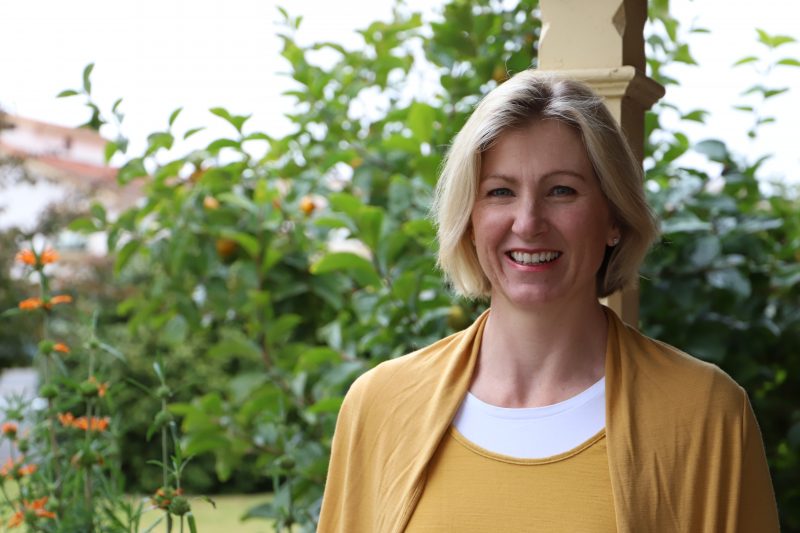
Dr. Amity Latham, Research Assistant
BApSc(NRM), MSAg, PhD
Living on a farm in Telangatuk East, Amity Latham is a grain grower and an early career researcher. She has a background in consulting, ministerially-appointed directorships, and tertiary and vocational teaching. Her career has been committed to working with agriculture-dependent communities, reflected in her Ph.D. research as she considered a Marxist perspective of farmers’ control over their production using technology. In March 2021 Amity joined the research team at the National Centre for Farmer Health. She has contributed to research in community resilience, measuring farm safety culture, and engineering solutions for safer agricultural plants.
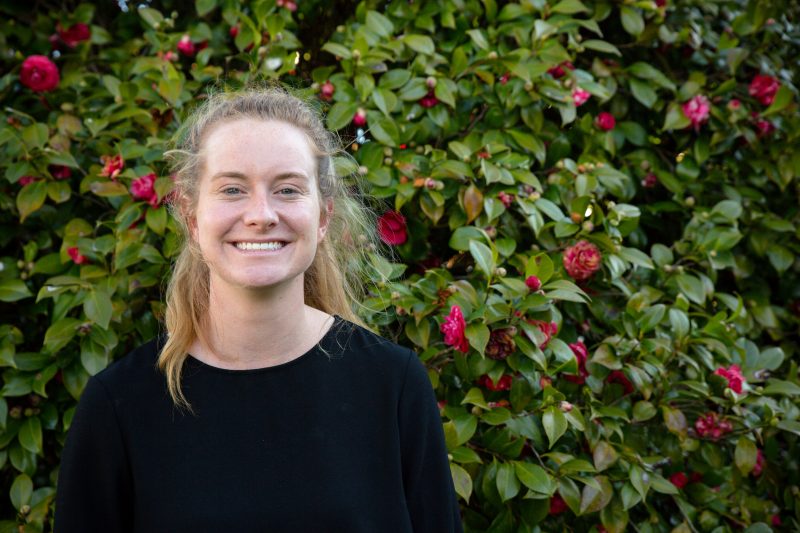
Jessie Adams, Ph.D. Candidate
BPubHealth & HealthProm(Hons), BCom
Jessie completed a Bachelor of Public Health and Health Promotion (Hons) and a Bachelor of Commerce at Deakin University in 2017. Following this, Jessie made a move to Hamilton to work as a Research Assistant at the centre. In 2020, she commenced her Ph.D. focusing on child safety on farms, entitled Injury Risk and Safety Behaviours of Children on Victorian Farms. Growing up on a beef farm in northeast Victoria, Jessie is keen to help improve farming communities’ health, wellbeing, and safety.
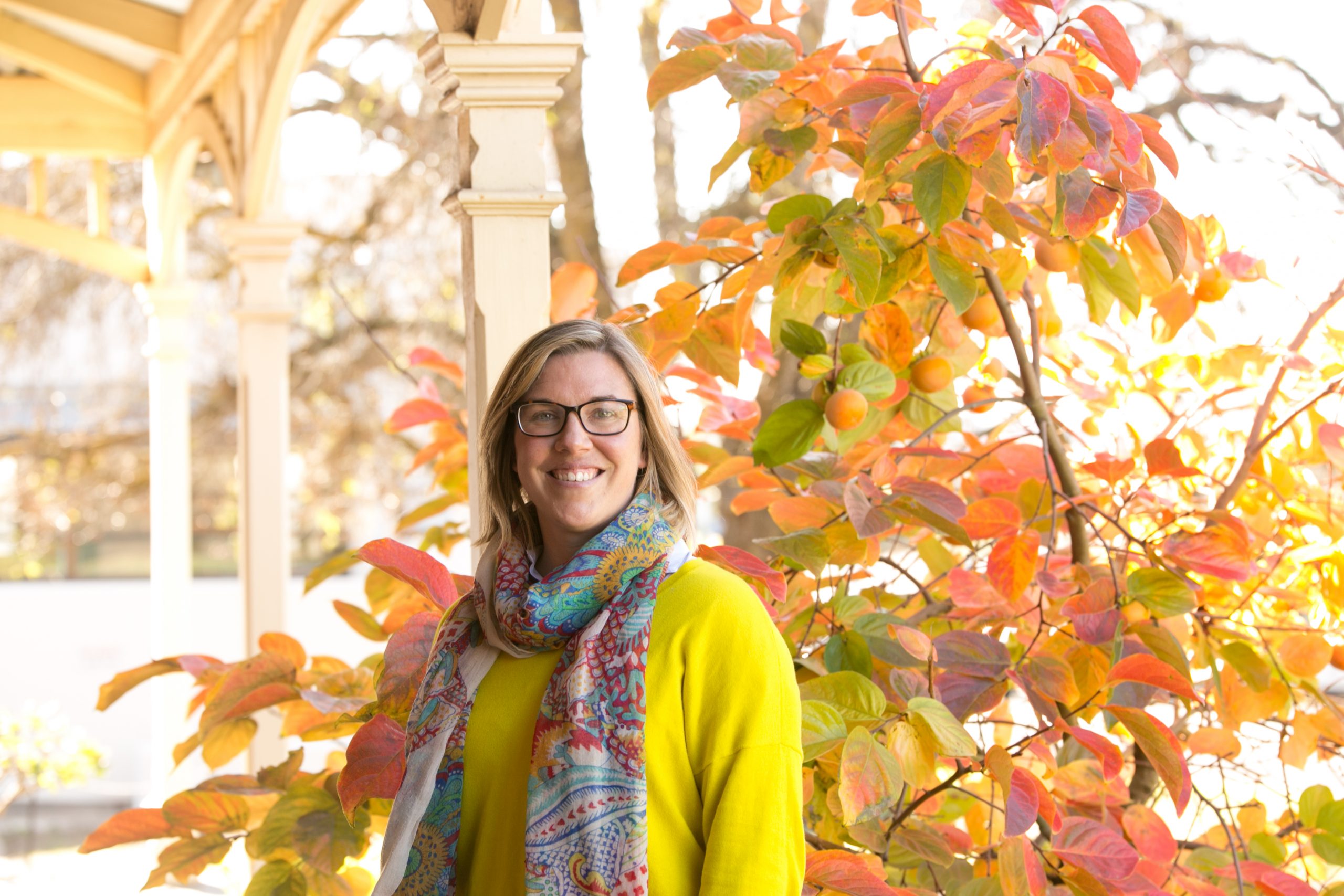
Dr. Jacquie Cotton, Research Fellow
BSc(AnimSc) (Hons), GCertHighEd, PhD
Jacquie is Lecturer and Researcher in Rural Health for Deakin University School of Medicine. She lectures and chairs the units HMF701 Agricultural Health and Medicine and HMF702 Healthy and Sustainable Agricultural Communities. She has completed a Graduate Certificate in Higher Education and is involved in developing curriculum and assessment within the Graduate Certificate of Agricultural Health and Medicine. She has multidisciplinary scientific and industry expertise, particularly translational research within human population health, occupational health and safety, agrichemical exposure, and culture/behaviour change. She is a member of the Victorian Farmsafe Australia committee and the recently formed Agriculture Safety Reference Group established by WorkSafe Victoria.
RawAg Podcast
SEASON 2 EP 1: DR ALISON KENNEDY – DIRECTOR OF THE NATIONAL CENTRE FOR FARM HEALTH
Alison is a Behavioural Scientist who has lived and worked in Victoria’s rural farming community for almost two decades. Her expertise in rural/farmer mental health and suicide prevention has drawn on a range of innovative techniques including digital interventions, digital storytelling, community education programs and peer support models. Alison has led numerous farmer mental health projects and continues to build the Centre’s capacity and reach by working collaboratively with researchers, farmers and industry stakeholders across Australia and internationally. Her expertise has been recognised through research awards, numerous advisory roles, peer review publication, international research consultation, invited presentations and expert witness testimony before the Royal Commission into Victoria’s Mental Health System. Alison is passionate about co-designing the Centre’s research, education and services in collaboration with community and industry—to ensure the Centre’s work continues to be effective, relevant and tailored to the needs of rural farming communities. Visit www.farmerhealth.org.au for more information.
Find out more about RawAg: RawAg Podcast – Te Mania Angus
Campfire podcast burns brighter for a much wider rural audience
The National Centre for Farmer Health’s digital meeting place for issues on the land – will now be available for listeners at any time.
NCFH Director, Dr Alison Kennedy says the Campfire series is expanding its podcast-based format starting late May.
She says the switch will maximise opportunities for farmers, farm workers and farming families to ‘plug in’ and listen anytime – maybe on a drive to a sale, in the shearing shed, in the tractor, relaxing at night or even last thing in bed before turning out the light – as long as it doesn’t compromise their safety.
“While our initial Campfire foray into podcasting has been a feature alongside some of our fortnightly scheduled online Q&A sessions, we have come to realise with all the cyberspace options available today, people love being able to access content at a time and place that works for them,” Dr Kennedy explained.
“That’s the feedback we have been receiving from participants so now our podcast conversations will be released fortnightly across Spotify, Apple Podcasts, Anchor, and the Farmer Health website,” she says.
“Making a much wider range of content so much more accessible.”
“Each podcast episode profiles a topic-relevant expert who explores how work-related factors can positively or negatively affect stress experienced by farmers and their employees.”
“We also look at how practical action can be taken to build a mentally-healthy workplace (which will also include handy links to further information and resources).”
Dr Kennedy says not only are podcast speakers topic experts, many of them are also farming experts, with irreplaceable “lived experience grappling with the issue at hand”.
She says the focus is on the prevention of stress and poor mental health and addressing the many factors which affect that – from the glaringly obvious to the more insidious, which can strike unexpectedly.
“You only have to look at some of the subjects we have covered to date, such as working effectively in a family business and strengthening your support team through to healthy ageing on the farm and strategies for preventing bullying in farm workplaces,” Dr Kennedy added.
“Every Campfire topic already presented will be available via our podcast library and that catalogue will be boosted by some of the topics already organised for the weeks ahead,” she says.
“Some of those are immediately topical, as they have been in the headlines lately, such as preventing crime on farm, from stock theft to machinery, equipment and firearms.
“Our soon to be released Campfire podcasts will also be taking a look at rural resilience and disaster prevention and learning how to not let your bias limit your farming potential.”
Find out more about being mentally safe on farm at www.farmerhealth.org.au/campfire.
Media Contact
Annabelle Macgugan
amacgugan@wdhs.net
0458517699
Episode 12: “Farm security and preventing farm crime”
In this episode, Inspector Gary from the Victorian Farm Crime Co-Ordination unit encourages farmers to make changes in their workplace and home to help prevent crime on farm; He explores how to improve the process of working with police and recovering stolen items should a crime occur.
Now streaming on Spotify, Apple Podcasts, and here.
This podcast is part of the Primary Producer Knowledge Network led by the National Centre for Farmer Health to promote mentally healthy workplaces. Campfire, part of the Primary Producer Knowledge Network, was funded by the Victorian State Government’s WorkSafe WorkWell Mental Health Improvement Fund.
Farmer Health eNews July 2022
Find out the latest from the National Centre for Farmer Health
- The National Centre for Farmer Health Conference is back!
- Help inform research around chemical usage on farms
- What changes can we make today to help avert an on-farm disaster?
- Wellness Wednesday
Do you want to receive our eNews?
Episode 11: “Rural resilience and disaster prevention in agriculture”
In this episode, farmer, CFA volunteer and disaster recovery advisor Louise Scott talks about preparedness for natural disaster in farming landscapes and what resilience looks like in the aftermath of a disaster.
Now streaming on Spotify, Apple Podcasts, and here.
This podcast is part of the Primary Producer Knowledge Network led by the National Centre for Farmer Health to promote mentally healthy workplaces. Campfire, part of the Primary Producer Knowledge Network, was funded by the Victorian State Government’s WorkSafe WorkWell Mental Health Improvement Fund.
MEDIA RELEASE: Campfire podcast burns brighter for a much wider rural audience
Campfire – the National Centre for Farmer Health’s digital meeting place for issues on the land – will now be available for listeners at any time.
NCFH Director, Dr Alison Kennedy says the Campfire series is expanding its podcast-based format starting late May.
She says the switch will maximise opportunities for farmers, farm workers and farming families to ‘plug in’ and listen anytime – maybe on a drive to a sale, in the shearing shed, in the tractor, relaxing at night or even last thing in bed before turning out the light – as long as it doesn’t compromise their safety.
“While our initial Campfire foray into podcasting has been a feature alongside some of our fortnightly scheduled online Q&A sessions, we have come to realise with all the cyberspace options available today, people love being able to access content at a time and place that works for them,” Dr Kennedy explained.
“That’s the feedback we have been receiving from participants so now our podcast conversations will be released fortnightly across Spotify, Apple Podcasts, Anchor, and the Farmer Health website,” she says.
“Making a much wider range of content so much more accessible.”
“Each podcast episode profiles a topic-relevant expert who explores how work-related factors can positively or negatively affect stress experienced by farmers and their employees.”
“We also look at how practical action can be taken to build a mentally-healthy workplace (which will also include handy links to further information and resources).”
Dr Kennedy says not only are podcast speakers topic experts, many of them are also farming experts, with irreplaceable “lived experience grappling with the issue at hand”.
She says the focus is on the prevention of stress and poor mental health and addressing the many factors which affect that – from the glaringly obvious to the more insidious, which can strike unexpectedly.
“You only have to look at some of the subjects we have covered to date, such as working effectively in a family business and strengthening your support team through to healthy ageing on the farm and strategies for preventing bullying in farm workplaces,” Dr Kennedy added.
“Every Campfire topic already presented will be available via our podcast library and that catalogue will be boosted by some of the topics already organised for the weeks ahead,” she says.
“Some of those are immediately topical, as they have been in the headlines lately, such as preventing crime on farm, from stock theft to machinery, equipment and firearms.
“Our soon to be released Campfire podcasts will also be taking a look at rural resilience and disaster prevention and learning how to not let your bias limit your farming potential.”
Find out more about being mentally safe on farm at www.farmerhealth.org.au/campfire.
This media release is part of the Primary Producer Knowledge Network led by the National Centre for Farmer Health to promote mentally healthy workplaces. Campfire, part of The Primary Producer Knowledge Network, is funded by the Victorian State Governments WorkSafe WorkWell Mental Health Improvement Fund.
Scholarships to one of the most sought-after short-term courses in agricultural health and medicine are open for application
The National Centre for Farmer Health and Deakin University presents the 12-week HMF702 Healthy and Sustainable Agricultural Communities as a fully online unit running from July to October.
Course director of the Graduate Certificate of Agricultural Health and Medicine, Dr. Alison Kennedy says the 12 weeks will provide students with an understanding of the environmental, social, and community stressors that influence the health, wellbeing, and safety of today’s rural and remote communities.
She says the dynamic course material shifts focus with the changing nature of challenges faced by rural and remote agricultural communities–including climate change, disaster recovery, food security, safety culture, and mental health.
“We are offering scholarships by the way of financial support for eligible people who would like to complete the unit, either as a stand-alone unit or part of a larger degree,” Dr Kennedy added.
“The scholarships are always in demand, as is the course. This is a valuable opportunity to gain insights into the issues challenging those living and working in rural areas – providing valuable professional development for a wide range of professional disciplines as diverse as health, mental health, agriculture, and community development. This unit is ideal for people entering a new role and those wanting to expand their skills in an existing role.”
She says the interdisciplinary and real-time nature of the Graduate Certificate of Agricultural Health and Medicine will highlight what is needed to improve the determinants of health in farming communities in Australia and abroad.
Dr Kennedy says the unit is not just for people working in the health professions. She says its primary aim is to help develop the next generation of rural and agricultural health leaders to improve the health, wellbeing, and safety of rural Australians.
Louise Scott, Graduate of the Graduate Certificate of Agricultural Health and Medicine, said “The program enabled me to interact with a variety of other people who are also passionate about rural, remote, and agricultural communities and to gain a broader perspective and understanding about a diverse range of topics spanning across social, cultural and lifestyle factors and challenges for rural health and wellbeing.
Over the course of my career, I have become increasingly driven to raise awareness about the mental and physical health challenges communities are faced with as a result of experiencing challenging events and I now have an academic qualification to add to my toolkit to be able to achieve this. I’ve recently had the privilege of presenting in Hobart at a large national conference and have just been interviewed for a podcast. I’m excited about future possibilities and to be able to advocate for our agricultural communities further and including my new knowledge and utilising my qualification.”
Scholarship applications close on the 12th of June 2022 (extended from the 5th of June 2022). To apply for a scholarship, head to www.farmerhealth.org.au/page/education/what-is-gcahm.
If you have any questions, please don’t hesitate to reach out to Jacquie Cotton via Jacquie.Cotton@wdhs.net.
Media Contact
Annabelle Macgugan
amacgugan@wdhs.net
0458517699
Farmer Health eNews June 2022
Find out the latest from the National Centre for Farmer Health
- Help empower the next generation of farmers through education
- Scholarships for Healthy and Sustainable Agricultural Communities (HMF702) close THIS SUNDAY!
- Have you subscribed to the Campfire podcast?
- Join our team!
- Wellness Wednesday