NCFH Partner Impact in Action: Tony and Angela Kealy
“The results showed we weren’t in great health overall… that was a turning point.”
For Western Victorian sheep farmers, Tony and Angela Kealy, one of the most important investments they’ve made in their farming career hasn’t just been in land or livestock, it’s been in their own health.
The Kealy’s discovered that healthy farmers make stronger families and safer farms. By prioritising wellbeing through a National Centre for Farmer Health program, they not only transformed their own habits but inspired their children to do the same.
This is their story.
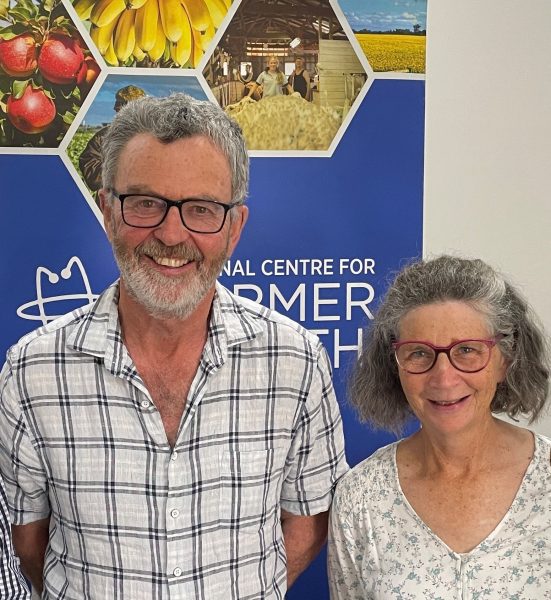
Angela and Tony Kealy’s farm is more than just land and livestock. It’s a way of a life, family legacy, and now, a shared future across generations.
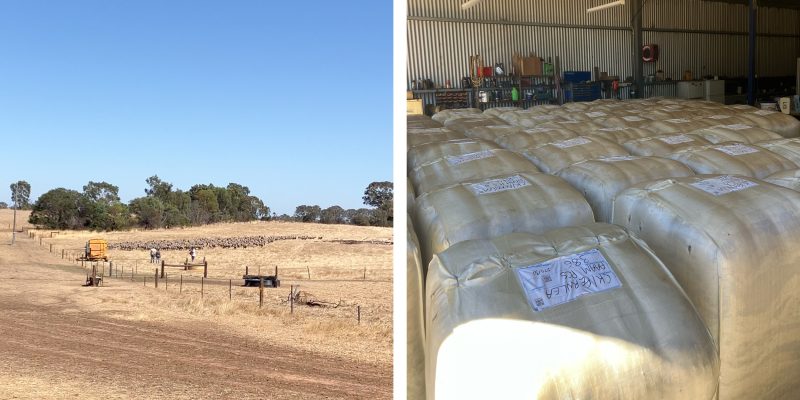
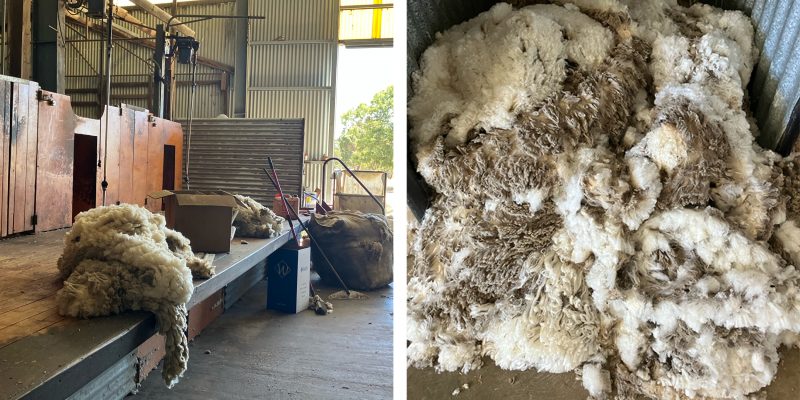
Farming over 6,000 acres just shy of the South Australian border in western Victoria, the couple have built a thriving merino sheep enterprise since 1986. Today, three of their four children are part of the farming business, with the fourth still living locally. While the farm has grown with the next generation, the couple have made deliberate choices to prioritise their health along the way.
A turning point for farmer health
Like many farmers, Tony reflects that in earlier years, health simply wasn’t a priority.
“Most males consider themselves bulletproof at 30 or 40… we don’t need to go to the doctor.”
That mindset began to change around 20 years ago, when farm consultant John Marriott encouraged Tony and Angela to attend a Sustainable Farm Families health program through the NCFH.
After some persistence, they attended a two-day health check in Hamilton, an experience that would reshape their approach to wellbeing.
“We had all the tests done, bloods, weight, measurements and the results showed we weren’t in great health overall.”
Rather than a one-off check, the program required participants to set goals and return 12 months later to track progress. That accountability proved critical.
“It just keeps you on track. It’s too easy to go back to old habits, but if you know you’re being checked, you keep working towards something.”
Practical changes that last
The program didn’t just highlight health risks, it provided practical, achievable ways to improve. From learning how to read food labels to reducing processed foods and sugars, the Kealy’s began making small but meaningful changes at home.
“Just being aware of what’s in packaged food, the salt, the sugar, that was a big shift. We started eating more fresh food.”
Tony also set a simple, measurable goal after one health check: “My waist was close to the obesity range. So, I aimed to reduce it by one centimetre a month, and I did.”
But perhaps the most impactful change was also the simplest.
“We started walking every morning, and we still do.”
What began as a health goal quickly became something more.
“It’s not just the walk. It’s the 40–45 minutes we spend talking. You don’t get that time at the end of the day when you’re tired.”
Health, safety and the farm environment
The Kealy’s experience with the NCFH extended beyond personal wellbeing. It prompted them to look more closely at safety across their entire operation.
“It’s not just about our own health; it’s about the safety of our staff as well.”
From identifying hazards around sheds and machinery to engaging WorkSafe assessments, the family became more proactive about reducing risks, something they say is critical in an industry where serious injuries can often go unnoticed.
“You read about fatalities, but you don’t always hear about the near misses. There’s a lot we can do to prevent them.”
Why farmer-focused health matters
One of the biggest barriers to health care in rural communities is often access and time. Angela explains that traditional health care pathways can feel too complicated for busy farmers.
“With a doctor, it can take multiple appointments over weeks. At the NCFH, everything happens in one day, you get your tests, your results, and your plan.”
Equally important is the environment.
“You know everyone there is a farmer. It feels comfortable; people understand your life.”
This sense of understanding and connection has helped the Kealy’s stay engaged over the long term.
“It helps that they contact you. Otherwise, life gets busy and you just keep putting things off.”
A generational ripple effect
Perhaps the most powerful impact of the Kealys’ involvement with the NCFH is what it has meant for the next generation.
Their children have grown up seeing health treated as a priority, from regular check-ups to daily walks and healthier food choices.
“They’ve seen us make it a priority, and now they’re doing the same with their own families.”
That includes encouraging physical activity, preparing healthier meals, and making time for wellbeing alongside the demands of farming life.
Adapting to a changing industry
Modern farming, the Kealy’s note, is very different from previous generations.
“Farming today is much more sedentary. We’re not doing the physical work our parents and grandparents did.”
With more mechanisation and time spent in vehicles, maintaining physical health now requires deliberate effort. That’s where proactive health programs play a critical role.
“It’s much easier to address issues early than wait until something serious happens.”
Looking ahead
Today, Angela and Tony see their role evolving. With their children now managing the farm, they’re focused on supporting the next generation and enjoying time with their grandchildren.
“The dream is to keep supporting them for as long as we can.”
They also recognise that maintaining their own health is key to making that possible.
“It’s a small investment of time each year compared to dealing with a serious illness later.”
For the Kealy family, the impact of engaging with the NCFH has extended far beyond individual check-ups.
It has shaped habits, improved communication, strengthened safety, and influenced the health and wellbeing of an entire family across generations.